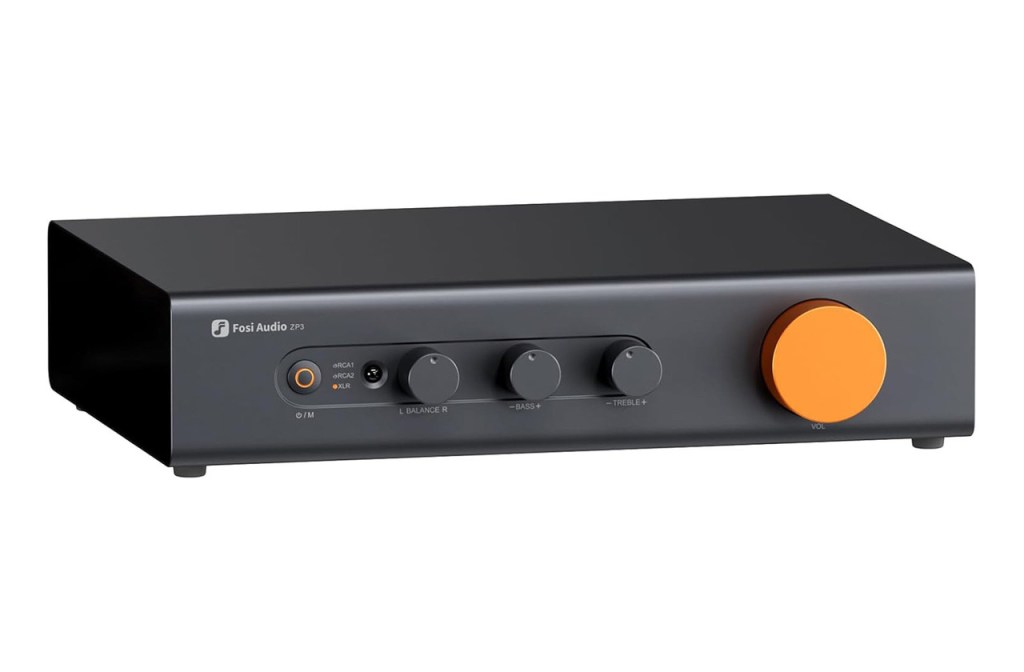
The Fosi Audio ZP3 is a highly transparent, balanced, and budget-friendly preamplifier that punches above its weight with excellent sound quality, low noise, and XLR input/output capabilities. It is widely praised for providing a neutral, detailed soundstage, making it an excellent hub for budget audiophile systems, despite a minor critique regarding its non-motorized volume control.
Key Features and Performance
- Sound Signature: Described as neutral, clean, and uncolored, allowing the original recording to shine without adding unwanted warmth or brightness.
- Low Noise Floor: The ZP3 boasts an excellent Signal-to-Noise Ratio (SNR), providing a silent background that works well with high-sensitivity speakers.
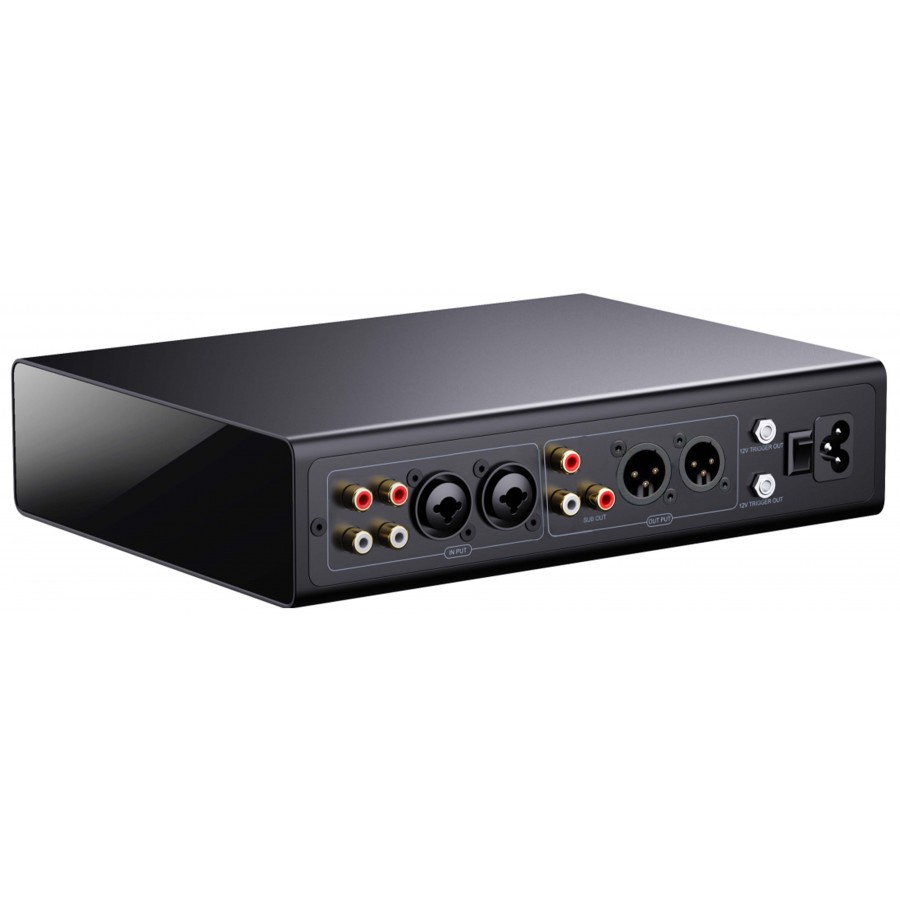
- Connectivity: Features balanced XLR inputs/outputs and RCA connections, allowing for full balanced operation from source to power amp.
- Build & Design: Compact, solid aluminum construction, and includes tone controls (bass/treble) that can be bypassed for a more direct signal path.
- Op-Amps: Features socketed LME49720 op-amps in the output stage, allowing for “op-amp rolling” to change the sonic characteristics.
Pros
- High Value: Offers features and sound quality usually found in more expensive gear.
- Balanced Design: True XLR input/output conversion.
- Transparent Sound: Adds little to no coloration.
- Versatility: Includes trigger in/out and optional tone controls.
Cons
- Non-motorized Volume Knob: Some users noted the lack of a volume indicator or remote control for the volume as a drawback.
- Op-Amp Access: While socketed, replacing them requires removing many screws
Verdict
The Fosi ZP3 is ideal for audiophiles looking to build a high-performance system on a budget. It is highly regarded as a “transparent” preamp that successfully acts as a control hub, particularly when paired with Fosi’s own V3 or ZA3 mono amps.
Final Words: There were a couple of things that drew me to this preamp. First the addition of XLR outputs. This is important as one day my mono blocks may live by the speakers and no in the rack. It leaves me even more room to grow.
The next thing was the SUB cut out. I have mine set to 85Hz. This means that all frequencies below 85Hz go to the subwoofer output and not into my speakers. Preventing my speakers from working too hard to deliver sounds they cannot offer and allowing me to balance my subs so they feel like they are part of the main speakers, rather than an addition.
After using this preamp I can safely say the XLR capabilities and a dedicated subwoofer out with cut off is a feature I cannot live without. I would be interested in a preamp with stereo sub outs but only once I am in a bigger room and make my listening setup run double duties as a cinema setup too. )watch the future for that stuff)
 Vinyl Review
Leave a comment