 Vinyl Review
Aerosmith : Permanent Vacation : 1987
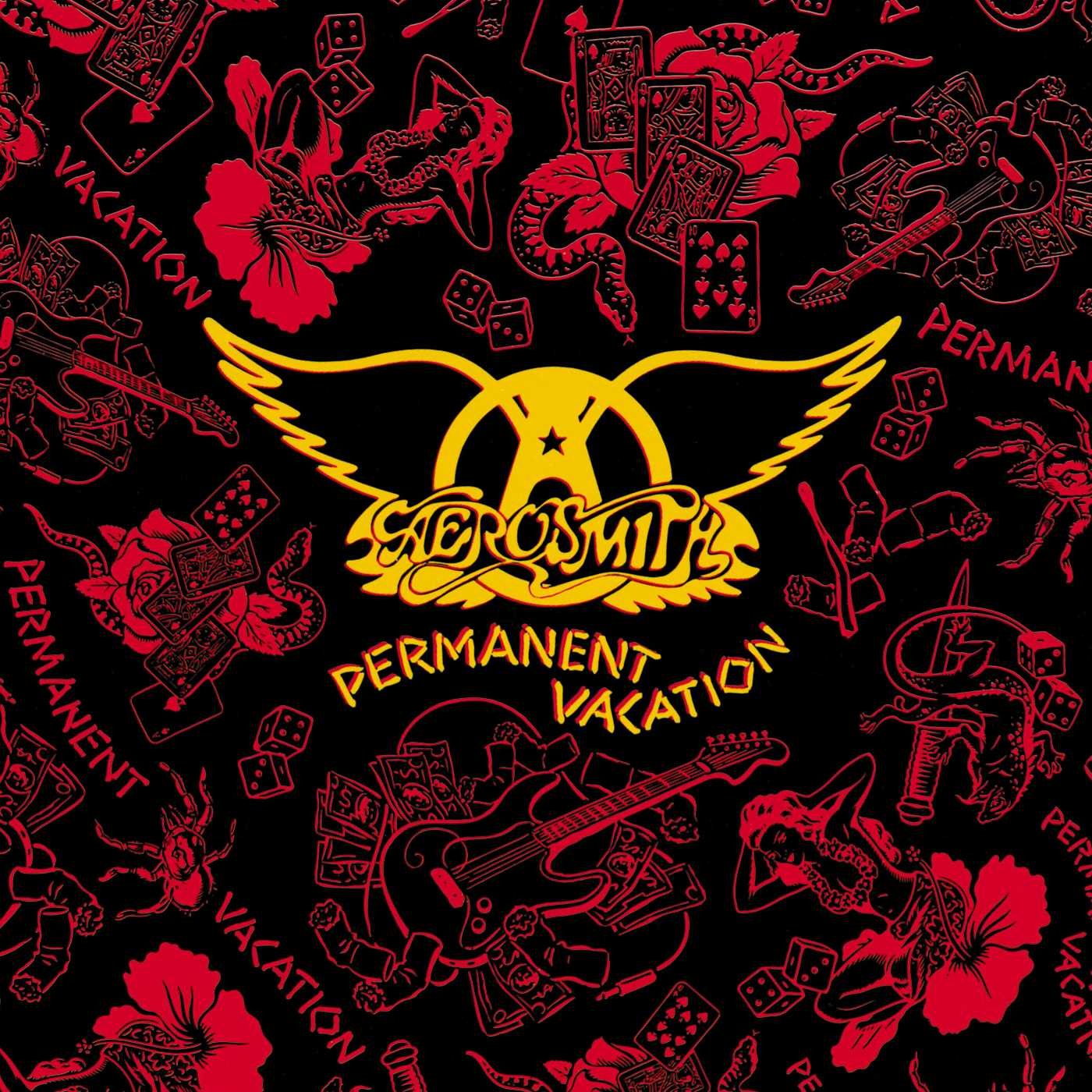
Geffen Records, Geffen Records
LP, Album
Very Good Plus (VG+)
By the mid-80s, Aerosmith weren’t just a band with a bad reputation — they were a band most people had written off entirely. Years of drug abuse had gutted their creative output and their live shows alike, and 1985’s Done with Mirrors — their first album back with original guitarists Joe Perry and Brad Whitford — had been a commercial non-event despite decent reviews. Permanent Vacation is the record where the comeback actually became real, and it’s a fascinating listen precisely because of how calculated that turnaround was.
Producer Bruce Fairbairn, fresh off huge success with Bon Jovi, was brought in and pushed the band toward outside collaborators in a way they’d never really accepted before — Desmond Child and Jim Vallance both get serious co-writing credits here, and it shows. This is a shinier, more radio-conscious Aerosmith than the one that made Rocks a decade earlier, and purists have never fully forgiven it for that. But it worked, spectacularly: three top-20 singles, five million copies sold, and a template — big hooks, professional songwriting help, arena-ready production — that Aerosmith would ride all the way through the following decade.
Track by track
1. Heart’s Done Time A tense, riff-driven opener that eases the listener into the album’s more polished sound without fully tipping its hand yet — it’s still recognizably hard rock, just cleaner and more controlled than the band’s 70s output. A confident way to signal the band was back, even if the song itself isn’t among the record’s most memorable.
2. Magic Touch A tighter, hookier rock song that leans into the album’s new commercial instincts more directly. It’s solid mid-tier Aerosmith — good energy, decent chorus, nothing that reaches the heights of the singles surrounding it.
3. Rag Doll The first genuine highlight, built on a horn-inflected riff that gives it a strut none of the previous two tracks have. It became the album’s third single and a lasting radio staple, and it’s easy to hear why — the chorus is enormous, and the arrangement (courtesy of Vallance’s co-write) is the clearest evidence on the album of outside songwriting sharpening the band’s instincts rather than diluting them.
4. Simoriah A moodier, more atmospheric track that slows the pace after “Rag Doll” — it’s one of the album’s less flashy moments, and correspondingly one of its more overlooked, but it gives the record some welcome texture between the bigger singles.
5. Dude (Looks Like a Lady) The lead single and one of the defining Aerosmith songs of the era, full stop. The horn stabs, the strut, Tyler’s vocal somehow both sneering and gleeful — it’s a perfect distillation of what this album does well, taking the band’s classic swagger and giving it a glossy, hook-forward makeover. It remains one of the most recognizable rock songs of the decade.
6. St. John A harder-edged, faster track that pulls back toward the band’s grittier instincts after the polish of “Dude.” It’s a solid deep cut, more interesting for its energy than its songwriting, and it works well as a palate cleanser before the record’s more dramatic moments.
7. Hangman Jury A slow-burning blues number, and one of the album’s most interesting detours — swampy, harmonica-driven, closer in spirit to the band’s 1970s roots than anything else here. It never became a commercial single, but it’s a favorite among longtime fans precisely because it shows the band hadn’t completely abandoned its older instincts.
8. Girl Keeps Coming Apart A tense, riff-heavy track with a horn arrangement that echoes “Rag Doll” and “Dude” — competent and well-constructed, if a little overshadowed by the bigger songs around it on the tracklist.
9. Angel The album’s biggest ballad and, at the time, the band’s highest-charting single ever. Co-written with Desmond Child, it’s a full power-ballad in the era’s dominant style — strings, a soaring vocal, a chorus built for arena lighters. It’s the song that best demonstrates how far the band was willing to lean into the era’s commercial playbook, and however you feel about that choice, the song’s staying power speaks for itself.
10. Permanent Vacation The title track brings the energy back up with a big, hooky rock arrangement that feels more like classic Aerosmith than most of the record’s second half — a reminder that the band could still write a straightforward rocker when it wanted to.
11. I’m Down A cover of the Beatles’ 1965 B-side, played fast and loose — a fun, loose detour that shows off the band’s chops without asking to be taken too seriously. It’s an unusual choice for a late-album track, but it works as a burst of energy heading into the close.
12. The Movie A short instrumental closer that sends the album out on an atmospheric, unresolved note rather than a big finish. It’s a minor curiosity more than an essential listen, but it’s a fitting, low-key way to end a record that spent most of its runtime aiming big.
Overall
Permanent Vacation isn’t the Aerosmith album purists point to first, and the outside songwriting help is impossible to miss once you’re listening for it. But as a comeback record, it’s a genuine success on its own terms — the singles (“Dude (Looks Like a Lady),” “Angel,” and “Rag Doll”) are as good as anything the band made in the 80s, and the deeper cuts show a band still capable of real range, from blues detours to loose covers to straightforward arena rock. It’s the sound of a band making a calculated bet on commercial reinvention, and it’s hard to argue with the results: this is the record that turned Aerosmith from a cautionary tale back into one of rock’s biggest acts, setting up an even bigger decade to come.