 Vinyl Review
David Gilmour : Luck And Strange : 2024
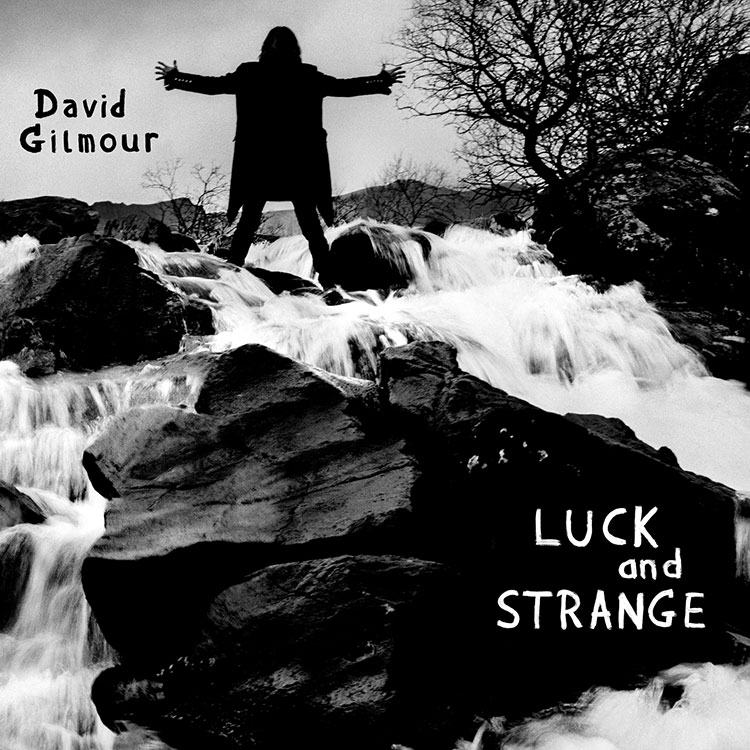
Label: Sony Music / Legacy Recordings Format: LP Released: September 6, 2024 Recorded: Over five months, Medina Studio, Salvation Studios, British Grove Studios, Angel Studios, and Astoria Studio (Gilmour’s houseboat studio)Producers: David Gilmour, Charlie Andrew
Overview
Luck and Strange is David Gilmour’s fifth solo album and his first collection of new material in nine years, arriving at a point in his career where expectations were less about reinvention than about whether he could still write something that mattered. By most accounts, including a strong critical reception (an 83 on Metacritic and a run of glowing reviews from outlets like Uncut), he did: this is a warm, unhurried, often quietly devastating record about aging, mortality, and family, co-written largely by his wife, novelist Polly Samson, with contributions from their children on vocals, lyrics, and instrumentation throughout.
The album’s most poignant moment arrives via its title track, which incorporates keyboard parts recorded in 2007 by the late Richard Wright, Gilmour’s Pink Floyd bandmate, during an informal “barn jam” — turning the song into an unplanned reunion across time with a musician who died in 2008. Produced with Charlie Andrew (best known for his work with alt-J and Marika Hackman), the record trades some of the more expansive, guitar-solo-driven indulgence of Gilmour’s earlier solo work for tighter, more song-focused arrangements, though his signature guitar tone remains instantly recognizable throughout. It became Gilmour’s third UK No. 1 album, a genuinely remarkable feat nearly six decades into his recording career.
Track by Track
- Black Cat — A brief, atmospheric instrumental overture that eases the listener into the record’s reflective, unhurried mood before the songs proper begin.
- Luck and Strange — The title track and emotional centerpiece, built around Richard Wright’s 2007 keyboard recordings; a warm, elegiac meditation that becomes considerably more moving once you know the story behind it.
- The Piper’s Call — The album’s lead single, a mid-tempo meditation on temptation and mortality that gradually builds into one of the record’s most guitar-forward moments, closer in spirit to Gilmour’s classic solo work than most of what surrounds it.
- A Single Spark — A patient, slow-building track that leans into the album’s themes of aging and reflection, with a title metaphor that recurs throughout the record’s lyrical concerns.
- Vita Brevis — A brief instrumental interlude (its Latin title translating to “life is short”) that functions as a pause and thematic anchor partway through the record.
- Between Two Points — A cover of a 1999 song by British duo the Montgolfier Brothers, reworked here as a genuinely beautiful duet featuring Gilmour’s daughter Romany on vocals and harp; one of the most tender and structurally distinct tracks on the album.
- Dark and Velvet Nights — A moody, atmospheric track that leans into some of the record’s more expansive, Floyd-adjacent instrumental textures.
- Sings — A reflective, more intimate track that continues the album’s meditation on family and legacy.
- Scattered — The album’s extended closer, building patiently toward one of the record’s most substantial guitar statements and sending the record out on a note of hard-won resolution rather than closure.
(Deluxe and streaming editions add two bonus tracks not on the standard vinyl LP: “Yes, I Have Ghosts,” a prior 2020 single featuring Romany Gilmour, and an alternate “Barn Jam” version of the title track spotlighting Richard Wright’s original 2007 performance more prominently.)
The Vinyl Itself: Pressing & Sound Quality
This is one of the more genuinely disappointing cases in recent memory of a vinyl release not living up to its billing on sound quality — and notably, the criticism here isn’t really about the physical pressing, but about the mastering decision behind it. Multiple independent technical reviews and loudness-measurement writeups have flagged Luck and Strange as a real-world example of the “loudness war” reaching vinyl: detailed spectral analysis found several tracks mastered with a dynamic range as low as DR6–DR7, and one widely circulated technical review concluded that, despite Gilmour’s audiophile reputation and fanbase, the vinyl edition barely improved on the more compressed digital and streaming masters — a genuine surprise for an artist and label with every incentive to prioritize a more dynamic, analog-friendly cut. That same analysis found the standalone Blu-ray stereo mix, running at a noticeably lower, less-compressed level (with a measured DR9), to be a meaningfully more dynamic and “natural”-sounding listen than either the vinyl or streaming versions, and pointed listeners chasing the fullest possible dynamic range toward the Dolby Atmos mix instead.
This isn’t a case of bad pressing mechanics — no widely reported skipping, warping, or plant-specific defects — but rather a mastering choice that undercuts the format’s usual selling point. Some Discogs listener reviews of the release have echoed this frustration in blunter terms, with at least one describing the CD/vinyl-shared master as uncomfortably compressed. It’s a useful reminder that “on vinyl” doesn’t automatically mean “mastered for vinyl’s strengths” — a hot digital master pressed straight to wax can still sound flat and fatiguing regardless of the format, which appears to be largely what happened here.
Final Verdict
Luck and Strange is a genuinely lovely late-period record — unhurried, emotionally direct, and carrying real weight in the way it folds Richard Wright’s final recorded contributions into its most personal song. Critically, it’s been treated as one of Gilmour’s strongest solo outings, and songs like “The Piper’s Call,” “Between Two Points,” and the title track hold up as genuinely moving additions to his catalog. The vinyl edition, though, is the one place this release underdelivers: rather than the more open, dynamic listen longtime Gilmour fans might reasonably expect given his own audiophile leanings, the LP largely mirrors the same compressed master used for digital and streaming. If dynamic range and sound quality specifically matter to you more than owning it on wax, the Blu-ray stereo or Dolby Atmos mixes are, by multiple independent accounts, the better way to actually hear this album.
Highlights: “Luck and Strange,” “The Piper’s Call,” “Between Two Points,” “Scattered”