 Vinyl Review
Helloween : Keeper Of The Seven Keys – Part I : 1988
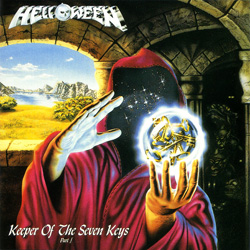
Originally released in 1987 on Noise International, Keeper of the Seven Keys (Part I) is the album that essentially invented the power metal template — melodic, fast, keyboard-accented, and unmistakably German in its blend of speed metal aggression and soaring vocal hooks. The 1988 pressings covered here include the Noise International repress and the transparent blue vinyl edition tied to the “Pumpkins Fly Free Tour ’88,” both issued in the same gatefold format as the original. It was recorded and mixed at Horus Sound Studio in Hannover between November 1986 and January 1987, mixed for Sick My Duck Productions.
The Pressing
This is one of those albums where the pressing you own genuinely matters. The Noise International vinyl — including this 1988 repress — has a well-documented reputation among collectors for being somewhat rougher-sounding than ideal, with some listeners noting audible distortion in places, most noticeably around Michael Kiske’s vocal peaks. This has led many collectors to specifically seek out the American RCA pressing instead, which used a different mastering (Sterling Sound) and is widely considered the cleaner, more accurate-sounding version of the album — to the point that some longtime collectors consider it the pressing to own over the Noise version. If you’re chasing the 1988 Noise repress specifically (rather than the RCA version), it’s still a perfectly enjoyable listen and comes with the collectible appeal of the gatefold jacket, printed inner sleeve with band photos and tour merchandise info, and — on the transparent blue vinyl variant — a poster from the 1988 tour. Just go in aware that ultimate fidelity isn’t this pressing’s strong suit compared to its American counterpart.
Side One
- Initiation — A short, atmospheric instrumental intro that builds tension before the record erupts. It’s brief but effective at setting a slightly ominous, theatrical tone for what follows.
- I’m Alive — One of the album’s most beloved tracks and a genre-defining anthem in its own right — fast, joyous, and endlessly catchy, with a chorus that’s become a live staple. On this pressing the energy comes through even if the top end isn’t the cleanest; the song’s momentum carries it regardless.
- A Little Time — A driving, hook-laden track with strong vocal interplay and a memorable chorus. It’s a good showcase for Kiske’s range, and while the Noise pressing can show a bit of grain on his higher notes, the performance itself is undeniable.
- Twilight of the Gods — Moodier and more expansive, leaning into the epic, mythologically-flavored songwriting that would come to define Part II. The dynamic range here benefits from vinyl’s warmth, even accounting for the pressing’s known limitations.
Side Two
- A Tale That Wasn’t Right — A genuinely poignant ballad-adjacent track dealing with mortality and regret — unusually reflective lyrical territory for the genre at the time, and one of the album’s emotional high points. The quieter passages are where this pressing’s rougher edges are most noticeable, though the song’s melodic strength carries it through.
- Future World — Arguably the album’s signature anthem, a genuinely explosive, hook-filled track that remains a live favorite decades later. It’s fast, triumphant, and infectious, and even on a pressing that isn’t pristine, the sheer energy of the performance dominates.
- Halloween — The sprawling, thirteen-minute title-adjacent epic that closes out the album’s ambitions in grand fashion — multiple movements, tempo shifts, and an extended instrumental mid-section that showcases the band’s range beyond straightforward speed metal. It’s a big ask for any pressing, and this is where the difference between the Noise and RCA masterings tends to be most discussed among collectors, given how much dynamic range the track covers.
- Follow the Sign — A brief, melodic outro that closes the record on a gentler note after the sprawl of the title track — a nice bit of pacing that lets the album wind down rather than end abruptly.
Verdict
The songwriting and performances on Keeper of the Seven Keys (Part I) are beyond reproach — this is a genre-defining record, full stop. As a specific pressing, though, the 1988 Noise International edition is a good-not-great sonic experience by the standards of the album’s own reputation; it’s worth owning for the packaging and the collectible tour-vinyl variants, but if ultimate audio quality is the priority, many longtime collectors will point you toward the American RCA pressing instead. Judged as a piece of vinyl on its own terms, it’s a solid, characterful pressing of an all-time classic — just don’t expect audiophile-grade sound from it.