 Vinyl Review
INXS : Kick : 1987
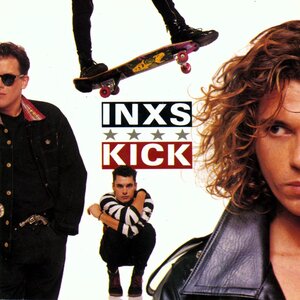
Released in October 1987, Kick is the album that turned INXS from Australian arena favorites into genuine global superstars — a masterclass in blending new wave sheen, funk-inflected guitar work, and pure pop songcraft. Produced by Chris Thomas, it was recorded at Rhinoceros Recordings in Sydney and Studio De La Grande Armée in Paris, then mixed at Air Studios in London. It remains one of the most stacked singles-to-album ratios of the entire decade — four top-10 hits pulled from a single, cohesive 12-track record.
The Pressing
Kick is a genuinely fascinating case study in how differently the same masters can sound depending on which plant pressed your copy. The album was pressed at numerous facilities worldwide — Allied Record Company and Specialty Records Corporation pressings in the US, Cinram and Columbia’s Don Mills, Ontario plant in Canada, PolyGram’s Dutch pressing in Europe, and various others — and collector consensus varies noticeably between them. Some pressings, particularly certain Allied Record Company copies, have been singled out by collectors as hot, dynamic, and punchy, with a wide soundstage and raw energy that some feel gets smoothed over on later remasters. Others, however, have drawn criticism for sounding compressed, gated, and slightly tinny — a byproduct of the era’s fondness for heavy gating and EQ on digitally-tracked recordings, a technique that was in vogue in the mid-to-late 80s but hasn’t aged gracefully on every pressing. If you’re chasing the best-sounding original copy, it’s worth knowing there’s real pressing-to-pressing variance here, and the Allied/Specialty US pressings and a well-regarded Australian pressing tend to get the most praise for dynamics and punch.
Side One
- Guns in the Sky — A stomping, percussive opener that sets an urgent, almost militaristic tone before the record settles into its more melodic stride. On a good pressing, the drums have real snap and the track’s energy translates well to vinyl.
- New Sensation — One of the album’s defining singles, all horn stabs and effortless swagger. It’s a genuinely infectious groove, and the wide stereo mix gives the horns and rhythm guitar plenty of separated space.
- Devil Inside — Dark, sultry, and rhythmically insistent, with one of Michael Hutchence’s most charismatic vocal performances on the record. The extended runtime gives the groove room to build, and it’s a highlight of side one.
- Need You Tonight — Arguably the album’s signature song, built on one of the most iconic guitar riffs of the decade. It’s deceptively simple and enormously effective, and even on a slightly compressed pressing the hook cuts through.
- Mediate — A brief, playful homage to Bob Dylan’s “Subterranean Homesick Blues,” more of an interlude than a full song, but a fun palate cleanser between two heavier hitters.
- The Loved One — A cover of The Loved Ones’ 1966 garage-rock classic, given a horn-driven, upbeat makeover. It closes side one on an energetic note.
Side Two
- Wild Life — Funky and rhythm-forward, continuing the album’s dance-rock momentum into side two. A good showcase for the bass and rhythm guitar interplay.
- Never Tear Us Apart — A genuinely gorgeous ballad, all sweeping strings and heartfelt vocal delivery — one of the band’s most enduring songs. The quieter dynamics here reward a clean, low-noise pressing.
- Mystify — Upbeat and melodic, with a strong sense of momentum heading into the album’s back stretch.
- Kick — The title track, driving and confident, tying the album’s themes together with an anthemic chorus.
- Calling All Nations — A percussion-heavy, rhythmically adventurous track that shows the band stretching beyond straightforward pop structures.
- Tiny Daggers — A moody, atmospheric closer that ends the record on a slightly darker, more introspective note — a good contrast to the album’s brighter singles.
Overall Review
Kick is, on pure songwriting terms, close to untouchable — a genuinely stacked album with barely a weak track across its twelve songs, and four of the biggest singles of the era to show for it. As a piece of vinyl, though, your experience depends heavily on which pressing you land — this is not an album where “original 1987 copy” guarantees a single consistent sonic experience, given how many plants pressed it and how differently those pressings have been received. The best copies deliver a wide, punchy, dynamic listen that genuinely rivals or beats later remasters; the lesser ones can sound boxed-in and slightly harsh, a byproduct of 80s production trends rather than any fault in the songwriting itself. For collectors, it’s worth doing a little homework on which regional pressing and plant to chase before buying — but however you land on the sound, the songs themselves make this one of the essential albums of its decade.