 Vinyl Review
Jean-Michel Jarre : Oxygène : 1976
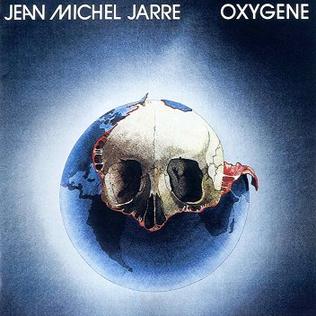
Released in December 1976 on Francis Dreyfus Music/Polydor, Oxygène is one of the true landmark records of electronic music — a wholly instrumental, six-part suite composed and performed entirely by Jarre using an arsenal of analog synthesizers (ARP, AKS, VCS3, RMI Harmonic), Farfisa and Eminent organs, and Mellotron, recorded in a home studio and mixed for release with virtually no outside musicians. It became a genuine phenomenon, selling millions of copies worldwide and helping to legitimize synthesizer-based music as a commercial and artistic force alongside contemporaries like Tangerine Dream and Vangelis.
The Pressing
The original French pressing (catalogue 2933 207, pressed at A.R.E.A.C.E.M.) is widely and consistently praised by collectors, and it’s genuinely one of the better-regarded original pressings from the era. Reviewers repeatedly single out the warmth, clarity, and channel separation of the French originals, with the wide stereo soundstage doing real justice to Jarre’s layered synth textures — several collectors have specifically called out the “enormous soundstage” and crisp, “intoxicating” character of the sound. As with many mid-70s European records, there’s a dense web of pressing variants to navigate — different label designs, printers (Carto Print vs. I.D.N.), and even export pressings manufactured in England — but the consensus across French originals is overwhelmingly positive, and even later reissues and US pressings (via Polydor Incorporated, catalogue PD-1-6112) have been described as clean, dynamic, and enjoyable, if perhaps a notch below the best original French copies.
Side One
- Oxygène, Pt. 1 — The album’s stunning opener, and arguably its most famous movement — a slow-building, richly textured piece that unfolds patiently over more than seven minutes. It’s a genuine showcase for the pressing’s dynamics and clarity, with the layered synth pads given real depth and space to breathe.
- Oxygène, Pt. 2 — Continuing directly from Part 1’s atmosphere, this movement introduces more rhythmic elements and a slightly more propulsive feel, without losing the record’s meditative core.
- Oxygène, Pt. 3 — A shorter, more percussive piece that injects some welcome energy into side one, with the analog synth tones given real bite on a good pressing.
Side Two
- Oxygène, Pt. 4 — The album’s most instantly recognizable and commercially successful movement, later released as an edited single. Melodic, hooky, and rhythmically confident, it remains the album’s most accessible entry point, and it sounds genuinely vivid on original vinyl.
- Oxygène, Pt. 5 — A brief, atmospheric transition piece, more interlude than fully developed movement, but effective in maintaining the album’s overall flow.
- Oxygène, Pt. 6 — The closing movement, more expansive and exploratory, tying the album’s themes together with a suitably grand, spacious finale. As a side-two closer it gives the record’s synth textures room to fully unfurl, and the wide stereo image really pays off here.
Final Verdict
Nearly fifty years on, Oxygène remains a genuinely important, boundary-pushing record — a fully electronic suite that helped bring synthesizer music into the mainstream without sacrificing any of its artistic ambition. On original French vinyl, it’s also a genuinely excellent-sounding record, with warm, dynamic pressings that consistently earn praise from collectors for their clarity and soundstage. Navigating the maze of pressing variants can be a rabbit hole in itself, but the good news is that even entry-level original copies tend to sound very good — this is a case where you don’t necessarily need to chase a specific rare variant to get a genuinely rewarding listening experience. An essential album, and a well-served one on wax.