 Vinyl Review
Jeff Wayne : Jeff Wayne’s Musical Version Of The War Of The Worlds
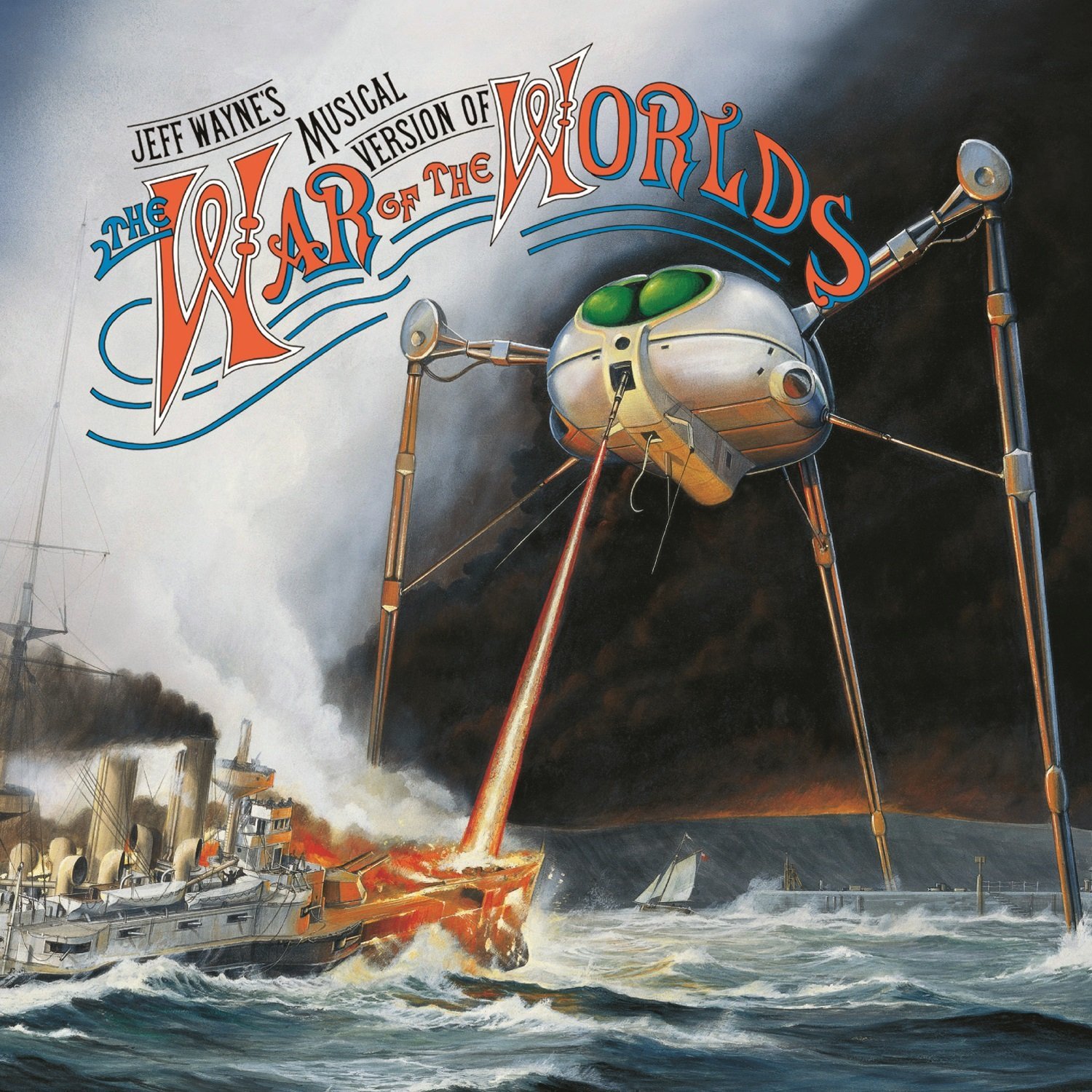
Released on CBS Records on June 9, 1978, after nearly two years in the making, Jeff Wayne’s rock opera adaptation of H.G. Wells’ 1898 novel is one of the most ambitious and beloved concept albums of its era — a 94-minute double LP combining prog-rock arrangements, disco-tinged orchestration, and a genuinely stacked cast of vocalists (Justin Hayward, Phil Lynott, David Essex, Julie Covington, Chris Thompson) narrated throughout by Richard Burton. It was recorded at Advision Studios in London, with strings tracked at Abbey Road and Burton’s narration recorded separately at Wally Heider Studios in San Francisco — a genuinely massive 48-track production for its time.
The Pressing
The original 1978 gatefold double LP is widely regarded by longtime fans and collectors as the definitive way to hear this album, with a broad consensus that the original vinyl (and the 1985 CD) represent the best-sounding versions of the record, ahead of later reissues, which some listeners feel fell victim to the loudness war’s tendency to flatten dynamics. Several reviewers have singled out the separation and clarity of the original pressing as genuinely remarkable given how densely layered the source material is — with 48 tracks of instruments, effects, and vocals mixed together, a good pressing lets you hear individual layers occupying their own space rather than smearing into a wall of sound. Mastering was handled at Tape One in London, with certain pressings carrying a “BILBO!” runout credit for mastering engineer Denis Blackham. As with most heavily pressed late-70s double albums, there’s some variance across regional pressings (UK, Dutch, Canadian Columbia/Don Mills, and others), and a handful of specific pressings have been noted for occasional warping issues, so it’s worth inspecting a used copy before buying — but the format as a whole has a strong reputation for doing justice to the album’s ambitious production.
Side One
- The Eve of the War — The album’s iconic opener, and one of the most recognizable pieces of British music of its era — Burton’s ominous narration over a slow-building, atmospheric arrangement that erupts into one of the record’s most memorable hooks. On a good pressing, the dynamic range here is genuinely thrilling, moving from near-silence to full orchestral force.
- Horsell Common and the Heat Ray — Tense and narrative-driven, blending spoken word with mounting instrumental dread as the Martians’ cylinder is discovered. The wide stereo separation on the original pressing helps sell the sense of unfolding disaster.
- The Artilleryman Returns — Featuring Phil Lynott’s distinctive vocal, this track shifts into a more driving rock arrangement, injecting welcome energy after the slow-burn tension of the opening two tracks.
Side Two
- Forever Autumn — The album’s most enduring standalone hit, sung by Justin Hayward with genuine emotional weight. It’s a gorgeous, string-laden ballad that works beautifully outside the context of the album, and the original pressing’s clarity does the string arrangement real justice.
- Thunder Child — A sprawling, multi-part epic depicting a naval battle against the Martian war machines, building to a genuinely thrilling climax. It’s one of the album’s most ambitious compositions, and the dynamic range and separation of the original pressing let its shifting sections come through distinctly.
Side Three
- The Red Weed (Part 1) — Moodier and more unsettling, reflecting the story’s darker turn as the Martian ecology begins overtaking Earth. The atmosphere here benefits from a quiet, low-noise pressing.
- Parson Nathaniel — Featuring Chris Thompson and Julie Covington, this is one of the album’s most dramatically intense sequences, depicting psychological breakdown amid the chaos. The vocal performances are genuinely gripping, and separation between the two singers is a highlight of a well-mastered copy.
- The Red Weed (Part 2) — A continuation and escalation of the earlier movement, closing out side three on a suitably bleak note.
Side Four
- The Spirit of Man — A reflective, dialogue-driven piece exploring humanity’s response to catastrophe, blending narration with understated musical backing.
- Brave New World — Featuring David Essex, this track injects a burst of defiant energy and hope into the story’s darkest stretch — a genuine highlight, and one of the album’s catchiest compositions.
- Dead London — Atmospheric and desolate, depicting the aftermath of the Martian invasion with a suitably haunting arrangement.
- Epilogue — The album’s closing sequence, tying together the story’s themes and delivering a satisfying, if unsettling, resolution. As a side-four closer it’s a fitting way to end such a sprawling, ambitious work, and a good pressing lets the final dynamic swells land with real impact.
Final Verdict
Jeff Wayne’s Musical Version of The War of the Worlds is a genuine one-of-a-kind achievement — an ambitious, richly arranged concept album that’s aged remarkably well, both as a piece of storytelling and as a piece of music. On original 1978 vinyl, it’s also widely regarded as the best-sounding way to experience it, with a level of separation and dynamic range that later, more compressed reissues reportedly don’t match. If you can track down a well-preserved original pressing, this is an essential listen — genuinely one of the most immersive and rewarding double-LP experiences in rock history, and a fantastic demonstration disc for any serious turntable setup.