 Vinyl Review
Marillion : Misplaced Childhood : 2017
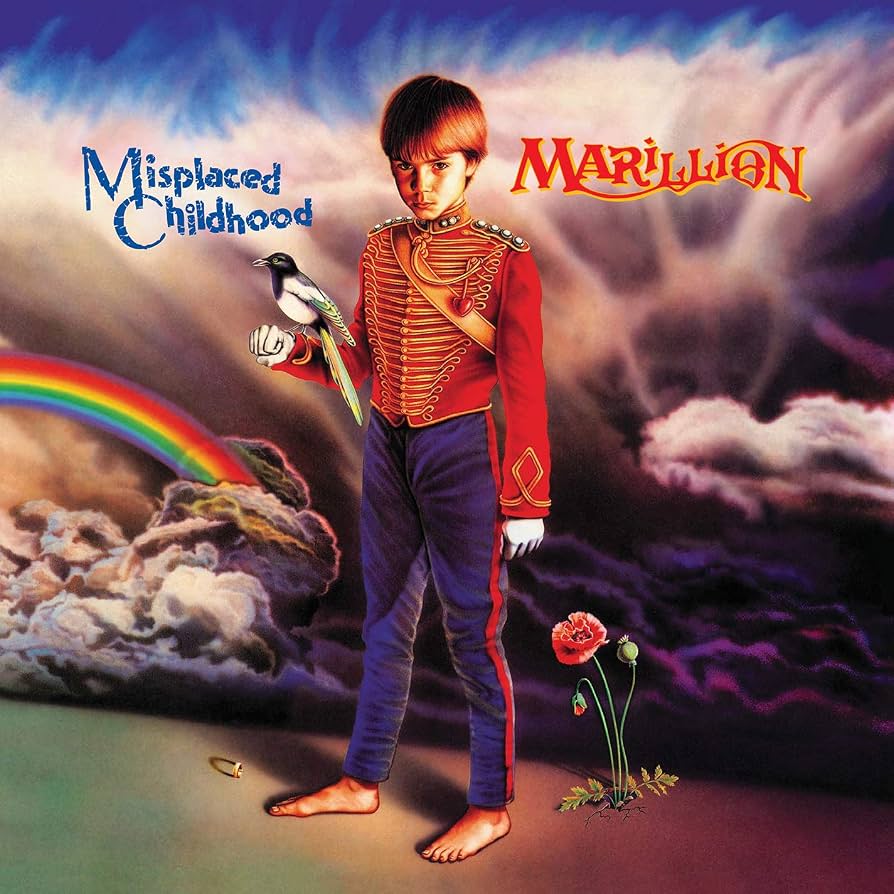
Originally released in June 1985, Misplaced Childhood is Marillion’s commercial and artistic peak, a single continuous concept piece recorded at Hansa Tonstudio in Berlin and produced by Chris Kimsey (best known for his work with the Rolling Stones). It shot straight to #1 on the UK charts and spent 41 weeks there, going Platinum on the strength of two of the band’s most enduring singles, “Kayleigh” and “Lavender.” This 2017 reissue presents the album in replica gatefold packaging with a newly remastered cut.
The Pressing
Reaction to this specific standalone reissue has been mixed but generally leans positive on the basics — several listeners describe it as genuinely quiet, with no hissing or crackling, and warm, enjoyable sound overall. That said, the more common critical thread across reviews is that this remaster doesn’t represent a dramatic sonic upgrade over well-preserved vintage pressings; more than one longtime fan has noted the sound quality is roughly on par with the 1980s original cut, with the main improvement being a lower noise floor rather than any transformative gain in dynamics or detail. This matches a broader pattern noted by collectors across Marillion’s whole reissue campaign from this era — some titles in the series have been singled out as excellent, while a few others have been criticized for sounding notably muffled or overly quiet, suggesting some inconsistency in how the mastering was handled across different albums in the series. For Misplaced Childhood specifically, opinion holds that it’s a solid, listenable pressing without being a genuine audiophile event, and several longtime collectors still prefer a well-cared-for original 1985 UK or European pressing — the German pressings in particular have been singled out as excellent — or the “EMI 100” reissue, which some rate as the best-sounding version currently available. It’s also worth knowing a separate 4LP deluxe box edition exists with a live disc attached; reception to that version has been more critical still, with some listeners finding the main album LP within that box set sounding notably flatter and less exciting than a good vintage pressing.
Side One
- Pseudo Silk Kimono — A brief, atmospheric opener that eases the listener into the album’s continuous narrative flow, setting a moody, reflective tone before the record’s momentum builds.
- Kayleigh — The album’s signature hit and one of the most beloved songs in the neo-progressive rock canon — melodic, emotionally direct, and instantly memorable. It remains the clear standout even decades later, and this pressing handles its layered guitar and keyboard textures cleanly.
- Lavender — Buoyant and melodic, a lighter, more playful companion to “Kayleigh” that keeps the album’s emotional momentum flowing.
- Bitter Suite — A multi-part suite spanning several distinct movements (Brief Encounter, Lost Weekend, Blue Angel, Misplaced Rendez-vous, Windswept Thumb), showcasing the band’s progressive ambitions with shifting tempos and moods. It’s a genuine dynamic showcase, and this is one of the tracks where a quieter, cleaner pressing pays real dividends.
- Heart of Lothian — Another multi-part piece (Wide Boy, Curtain Call), blending introspective lyricism with a soaring, anthemic conclusion that closes out side one with real emotional weight.
Side Two
- Waterhole (Expresso Bongo) — A tense, rhythmically driven piece that kicks off side two with real energy and urgency.
- Lords of the Backstage — Brief and aggressive, injecting a burst of rock energy before the album’s most ambitious stretch.
- Blind Curve — The album’s most sprawling composition, unfolding across five distinct movements (Vocal Under a Bloodlight, Passing Strangers, Mylo, Perimeter Walk, Threshold). At over nine minutes, it’s the album’s centerpiece on side two, and the extended dynamic range across its shifting sections is genuinely demanding of any pressing — this is where some listeners have noted a well-preserved vintage original still edges out the 2017 remaster in terms of excitement and punch.
- Childhoods End? — Reflective and melodic, offering a sense of resolution as the album’s narrative arc nears its conclusion.
- White Feather — A fitting, anthemic closer that ties the album’s themes together with genuine emotional payoff, ending the record on a note of hard-won hope.
Final Verdict
Misplaced Childhood remains one of the defining albums of the neo-progressive rock movement, and its emotional and musical ambition is undiminished nearly forty years on. This 2017 reissue is a perfectly serviceable, quiet, and clean-sounding way to own it on vinyl — but it’s not a transformative sonic upgrade, and dedicated collectors still tend to point toward well-preserved vintage UK, German, or “EMI 100” pressings as offering more excitement and dynamic punch. If you just want a clean, reliable copy without hunting through the secondhand market, this reissue does the job. If ultimate fidelity matters to you, it may be worth doing some additional digging before settling on this specific pressing.