 Vinyl Review
Marvin Gaye : Let’s Get It On : 1982
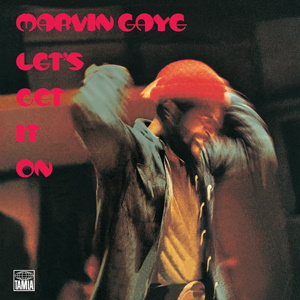
Originally released on August 28, 1973 on Motown’s Tamla label, Let’s Get It On is one of the definitive albums of soul music — a lush, sensual, and deeply personal record that redefined what R&B could sound like, recorded across sessions at Hitsville U.S.A. and Golden World in Detroit and Hitsville West in Los Angeles. This 1982 pressing represents a European reissue of the album (issued via Bellaphon, with some copies carrying a sticker noting the catalogue number for the later 1982 successor version), bringing the record back into circulation nearly a decade after its original release.
The Pressing Reaction to Let’s Get It On pressings across the decades has been notably inconsistent, and this era of reissue is no exception — it’s genuinely one of the more variable albums to track down a good copy of. Some listeners praise the punch and warmth of certain pressings, describing a huge, satisfying low end and lively presentation. Others, however, have flagged specific recurring issues with this album across multiple pressing generations: harsh sibilance on Marvin’s vocal “s” sounds, occasional clipping, and treble that can turn unpleasant on the open hi-hats. One especially candid review of a similar-era Tamla pressing noted the title track itself sounded pristine while other tracks on the same disc — particularly “If I Should Die Tonight” — came across muffled and flat by comparison, suggesting some inconsistency baked into the mastering rather than purely a pressing-plant issue. Given how many regional variants of this era exist (German, US, and other European pressings all circulated with different label designs), quality can genuinely vary from copy to copy, so it’s worth listening before you buy secondhand, or being prepared for some sonic unevenness if buying blind.
Side One
- Let’s Get It On — The title track and one of the most iconic soul songs ever recorded — sensual, confident, and built on a gorgeous, warm arrangement. It’s reliably the best-sounding track across most pressings of this album, with Marvin’s vocal given real presence and clarity even on more middling copies.
- Please Stay (Once You Go Away) — A slow-burning, emotionally vulnerable ballad that showcases Gaye’s falsetto beautifully — a genuine deep-cut highlight of the whole album.
- If I Should Die Tonight — Tender and reflective, though this is one of the tracks flagged on some pressings as sounding notably more muffled and less dynamic than its neighbors — worth listening for on any copy you’re considering.
- Keep Gettin’ It On — Extended and groove-driven, closing out side one with a hypnotic, slow-building arrangement that gives the rhythm section plenty of room to stretch out.
Side Two
- Come Get to This — Upbeat, playful, and irresistibly danceable, offering a lighter tonal contrast to the album’s more brooding moments.
- Distant Lover — A gorgeous, emotionally rich ballad that would go on to become one of the most beloved tracks in Gaye’s live performances — the vocal layering here rewards a pressing with good clarity.
- You Sure Love to Ball — Sultry and unapologetically sensual, with a loose, live-in-the-room groove that suits the album’s overall intimate atmosphere.
- Just to Keep You Satisfied — A fitting, tender closer that brings the album’s themes of love and longing to a quiet, satisfying resolution.
Final Verdict
Let’s Get It On remains an essential, era-defining soul album, and no pressing inconsistency changes that fundamental fact. This 1982 reissue sits within a genuinely uneven pressing history for this particular record — some copies of this era sound warm, punchy, and satisfying, while others have been flagged for treble harshness and inconsistent mastering across tracks. If ultimate fidelity matters to you, it’s worth knowing that more recent audiophile-grade reissues (including a well-regarded One-Step edition from Universal’s Definitive Sound Series) have earned much stronger and more consistent praise for clarity and dynamics than this era of pressing generally receives. For a more affordable, historically interesting copy, this 1982 reissue is a reasonable way to own the album — just go in aware that quality can vary meaningfully from copy to copy.
Rating: 7/10