 Vinyl Review
Mike Oldfield : Ommadawn : 1975
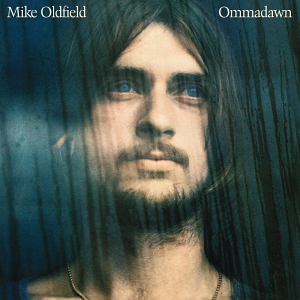
Mike Oldfield – Ommadawn (1975 Vinyl)
Released on November 7, 1975, on Virgin Records, Ommadawn is the third studio album by multi-instrumentalist Mike Oldfield and the closing chapter of the loose trilogy that began with Tubular Bells and continued through Hergest Ridge. Recorded at The Beacon in Kington, Herefordshire (with African drums tracked at The Manor), it blends Celtic and English folk influences with progressive rock ambition across two side-length compositions, drawing on Oldfield’s love of Terry Riley’s minimalist repetition.
The Pressing Original UK first pressings are widely and consistently praised, with many listeners describing the sound as flat, silent, and genuinely fantastic — one collector specifically singled out the first UK pressing with the HTM (Harry Moss) mastering stamps as the best-sounding version of the album available, ahead of even the later “Boxed” box set edition, which uses a notably different 1976 remix. Multiple reviewers have praised the pressing for its clarity, detail, and good instrumental separation, particularly impressive given how much is happening sonically across the record — rumbling bass, screeching electric guitar, panpipes, and African drums all layered together. A small note of caution: opinions on level vary a little, with at least one listener describing their copy as “a little on the quiet side” while still praising its clarity — a reminder that, as with any vintage pressing, some copy-to-copy variance exists depending on which specific pressing plant and matrix you end up with (UK, German, and Terre Haute, Indiana US pressings all circulated, with the Terre Haute pressings identifiable by a “T” etched in the runouts). One listener also specifically noted their original UK pressing sounded meaningfully better than a South African pressing of the same era, so regional origin is worth paying attention to if you’re shopping secondhand. On the whole, though, this is an album with a strong reputation for sounding excellent on original vinyl.
Side One
Ommadawn (Part One) — A single continuous 19-minute composition that many longtime fans and critics consider Oldfield’s finest musical achievement, full stop. It builds patiently from quiet, meditative passages into deeply layered, multi-instrumental crescendos, blending acoustic guitar, mandolin, and orchestral touches with a hypnotic, almost ritualistic quality — one listener aptly described it as evoking the feeling of ancient tribal chanting. The track’s dense layering of dozens of instruments (nearly all played by Oldfield himself) makes it a genuine showcase for a pressing with good separation and clarity, letting each element occupy its own space rather than blurring together. A charming detail preserved uniquely on the original vinyl: the side ends with the drummers of Jabula (a South African group who guested on the album) audibly playing out until they fade beyond hearing — a moment reportedly lost on the CD version, making the vinyl experience genuinely distinct.
Side Two
Ommadawn (Part Two) — The second extended piece, continuing the album’s dark, atmospheric mood before building toward a joyous, folk-influenced conclusion. Opinion is slightly more divided on this half compared to Part One’s near-universal acclaim — some listeners find it doesn’t reach quite the same heights, while others consider the two halves equally strong. It features some of Oldfield’s most memorable guitar passages, and the album’s Celtic and English folk influences are especially pronounced here.
On Horseback — A shorter, separately banded folk song closing out the album (referred to informally as “the horse song” prior to later CD reissues formally naming it), featuring genuinely charming, gentle vocals and a warm, pastoral feel that provides a lovely, uplifting coda after the intensity of the two main pieces.
Final Verdict
Ommadawn remains one of the most beloved and musically rich albums in Mike Oldfield’s catalogue, and original 1975 UK vinyl pressings genuinely live up to the album’s reputation for sonic richness — clear, detailed, and capable of doing real justice to the record’s dense, layered production. This is an album where hunting down a good original UK pressing (ideally one bearing the HTM/Harry Moss mastering stamps) is worth the effort, both for the superior sound quality collectors consistently report and for small but meaningful details, like the extended Jabula drumming outro on side one, that seem to have been lost on later reissues. A genuinely rewarding listen and a strong pressing to own.