 Vinyl Review
Pink Floyd : The Dark Side Of The Moon : 1977
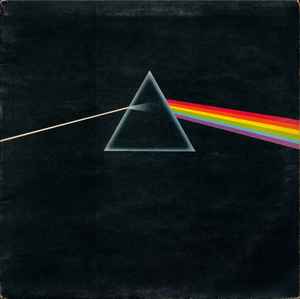
Pink Floyd – The Dark Side of the Moon (1977 Vinyl Pressing)
Originally released March 1, 1973 in the US (Capitol) and March 16, 1973 in the UK (Harvest), The Dark Side of the Moon remains one of the best-selling and most influential albums ever made — a fully immersive, conceptually unified exploration of mental illness, mortality, and the pressures of modern life, recorded at EMI’s Abbey Road Studios between June 1972 and January 1973. This 1977 pressing represents a later UK repress (specifically the well-documented “5th pressing,” distinct from the earliest, most sought-after original copies).
The Pressing This is a genuinely important distinction to understand: while the very earliest UK Harvest pressings (SHVL 804, solid blue prism-triangle label, early matrix numbers like A2/B2) are considered the gold standard by serious collectors — prized for warmth, depth, and natural analog presentation, though they can command several hundred pounds from specialist dealers — later UK repressings, including this 1977 5th pressing, are widely regarded by collectors as excellent, still highly desirable listening copies in their own right, rather than a compromise. Reviewers of this specific 5th pressing (matrix variants like A10/B9) describe it as a stunning, full-bodied, rich, and vibrant listen, with one collector specifically praising a copy featuring the legendary mastering engineer Harry T. Moss’s initials etched in the runout deadwax (“HTM”/”HARRY”) as making clear why the album remains an audiophile essential even decades later. Several longtime collectors have said their search for a “definitive” pressing effectively ended with a clean Harry Moss-cut 5th pressing, short of tracking down a genuine 1st or 2nd UK press. In short: this is one of the more reliably excellent later repressings to own if an original first pressing is out of budget.
For context on how this compares to modern alternatives: professional comparisons have found that a genuinely clean original or early UK pressing generally outperforms even respected modern remasters in certain respects — one reviewer noted the original pressing keeps sharper focus during instrumental crescendos, with clearer drums, though newer remasters (like the 2016 Bernie Grundman cut, remastered digitally by James Guthrie and Joel Plante) offer a more balanced low end and fuller bass, trading some of the original’s aggressive top-end bite for more low-frequency punch. A well-regarded 30th Anniversary pressing has also been specifically praised for superior saxophone clarity on “Us and Them” and sharper drum sustain, though it too can be difficult to find at a reasonable price. Mobile Fidelity’s famed half-speed mastered Japanese pressing, meanwhile, is very quiet but has been criticized by some reviewers for an EQ that runs a bit hot in the upper frequencies. The overarching lesson across all this expert commentary: a genuine UK Harvest pressing — whether an early first press or a later repress like this 1977 5th pressing — remains one of the most trusted ways to hear this album as originally intended.
Side One
- Speak to Me — A tense, atmospheric overture built from heartbeats, ticking clocks, and cash register sounds that gradually build into the album’s opening statement — an immersive, sound-effects-driven introduction that sets the record’s conceptual tone immediately.
- Breathe (In the Air) — Gentle and reflective, featuring some of David Gilmour’s most soulful pedal steel and slide guitar work, easing the listener into the album’s meditation on life and mortality.
- On the Run — A tense, propulsive electronic instrumental built on an EMS Synthi AKS sequence, evoking anxiety and the frantic pace of modern travel.
- Time — Opening with its famous cacophony of alarm clocks, this is one of the album’s most dynamically rich and musically ambitious tracks, addressing themes of mortality and wasted time with genuine emotional weight — Nick Mason’s drums and the extended guitar solo are particular highlights on a good pressing.
- The Great Gig in the Sky — Featuring Clare Torry’s extraordinary, wordless vocal improvisation, this is one of the most emotionally powerful and technically astonishing performances in rock history, addressing the fear of death with pure vocal expression rather than lyrics.
Side Two
- Money — One of the album’s most iconic tracks, built around its famous cash-register sound effects and unusual 7/4 time signature, tackling greed and materialism with a genuinely funky, memorable groove.
- Us and Them — Atmospheric and expansive, featuring Dick Parry’s saxophone work and some of the album’s most beautiful, slow-building dynamics — a genuine showcase for a great pressing’s ability to handle crescendo and release.
- Any Colour You Like — An instrumental piece blending synthesizer textures with guitar interplay, offering a spacious, exploratory bridge before the album’s conclusion.
- Brain Damage — Addressing themes of mental illness (inspired in part by former band member Syd Barrett’s struggles), melodic and haunting, building toward the album’s climax.
- Eclipse — The album’s towering, cathartic closer, tying together all the record’s themes with a sweeping, anthemic conclusion and a final, quiet heartbeat that brings the whole conceptual journey full circle.
Final Verdict
The Dark Side of the Moon remains one of the most important and carefully crafted albums in rock history, and this 1977 UK 5th pressing represents a genuinely excellent, relatively attainable way to experience it as EMI’s engineers originally intended — warm, dynamic, and rich, especially if you can track down a copy featuring Harry Moss’s mastering credit in the runout groove. While the very earliest UK first pressings remain the ultimate prize for serious collectors, this later repress offers much of that same analog warmth and character at a considerably more accessible price point, making it one of the smarter buys for anyone wanting to hear this landmark album the way it was meant to be heard on vinyl.