 Vinyl Review
Prince And The Revolution : Purple Rain : 1984
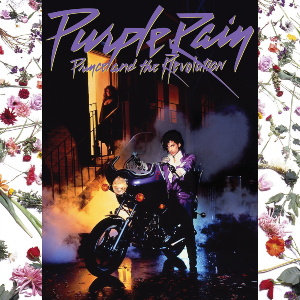
Prince and the Revolution – Purple Rain (1984 Vinyl)
Released June 25, 1984, on Warner Bros., Purple Rain is one of the defining albums of the 1980s and the soundtrack to Prince’s breakthrough film of the same name — an album so culturally omnipresent at the time that, as one reviewer put it, it poured out of dorm rooms, clubs, and parties throughout the decade. Recorded across multiple sessions including a live performance at Minneapolis’s First Avenue club, the album was mastered for its original release by the legendary Bernie Grundman, working from Prince’s ¼” EQ’d analog production master tape.
The Pressing Original 1984 US pressings are genuinely beloved by collectors, and the sound character has become as iconic as the music itself: unapologetically bright, with a forward top end that some listeners describe as approaching glare on revealing systems, but which most fans consider inseparable from the record’s identity — the kick drum pops, snares crack, and guitars slice through the mix with a genuinely electric urgency befitting the album’s cultural moment. Multiple reviewers of Allied Record Company pressings describe the sound as phenomenal, clear, crisp, and “really punchy,” with one specifically calling it a revelation that renewed their entire interest in Prince after finding a copy in a thrift store bin. A Columbia House club edition pressing has drawn particularly enthusiastic praise, with reviewers describing an unusually wide soundstage, exceptional separation, and a live, energetic quality that one collector found genuinely superior to their standard 1984 pressing — though it’s worth noting the same brightness and occasional sibilance that characterizes the standard mastering is present here too, sometimes described as slightly fatiguing depending on listening volume and system.
European (German) pressings have also been well-regarded, with reviewers describing a fresh, crisp sound. It’s worth being aware that Bernie Grundman’s original mastering approach is a matter of some taste — this is not a warm, laid-back-sounding record, and if you prefer a smoother top end, you may find the original cut’s brightness challenging on certain systems, though most longtime fans consider this brightness essential to the album’s raw, electric character.
Side One
- Let’s Go Crazy — An explosive, anthemic opener beginning with a mock-sermon spoken intro before erupting into one of Prince’s most joyously unhinged rock performances — a genuine adrenaline rush and one of his most beloved singles.
- Take Me with U (feat. Apollonia) — Upbeat and orchestral, a genuine pop gem blending strings with rock energy.
- The Beautiful Ones — A stunning, emotionally raw ballad building to one of Prince’s most legendary vocal performances — widely regarded by fans as one of the greatest ballads ever recorded.
- Computer Blue — Tense and atmospheric, blending futuristic synth textures with a menacing guitar-driven arrangement.
- Darling Nikki — Aggressive and explicit, one of the most notorious tracks on the album (famously prompting the creation of the PMRC’s “Parental Advisory” sticker system), and musically one of Prince’s most intense rock performances.
Side Two
- When Doves Cry — One of the most innovative and successful singles of the entire decade, built on a genuinely unusual bassless arrangement — a defining moment of 80s pop production and one of Prince’s signature achievements.
- I Would Die 4 U — Upbeat, danceable, and recorded live at First Avenue, capturing the raw energy of Prince’s stage performance.
- Baby I’m a Star — Explosive and celebratory, another live cut showcasing the band’s electric chemistry.
- Purple Rain — The album’s towering, emotionally overwhelming title track and closer, building from a slow, gospel-tinged ballad into one of the most legendary extended guitar solos in rock history — a genuine crowning achievement and one of the most beloved album closers ever recorded.
Final Verdict
Purple Rain remains one of the most culturally significant and musically accomplished albums of the 1980s, and original 1984 vinyl pressings — whether US Allied, Columbia House club editions, or European pressings — consistently deliver the bright, punchy, electrically charged sound that has become inseparable from the album’s identity. This is a case where the “flaws” some might attribute to Bernie Grundman’s original mastering (that forward, sometimes fatiguing brightness) are, for most longtime fans, simply part of what makes this record feel so alive. Whether you’re chasing a specific pressing plant variant or simply want an affordable, well-preserved original copy, this remains one of the most rewarding and essential listens in any serious record collection.