 Vinyl Review
The Beatles : 1962-1966 : 1973
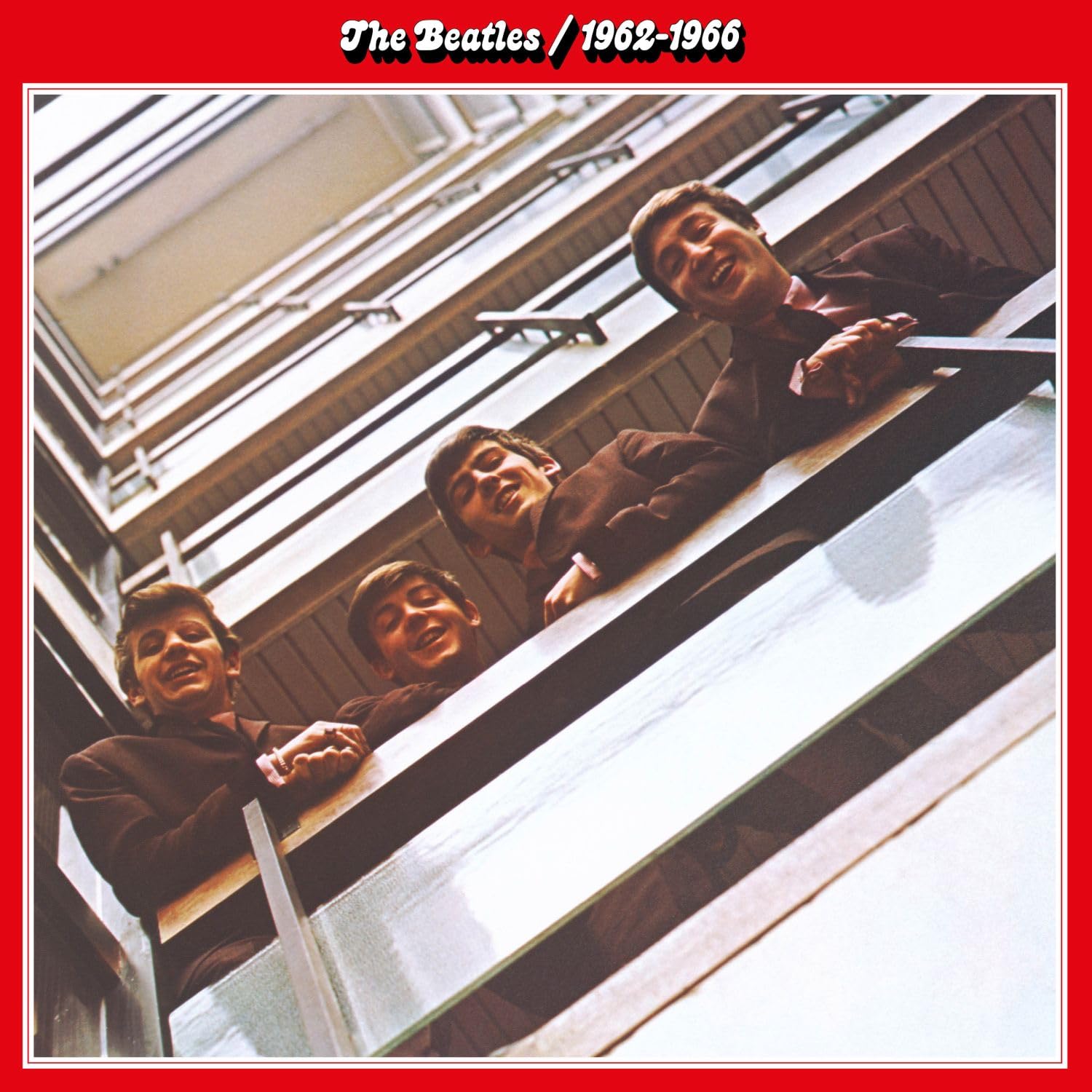
The Beatles – 1962-1966 (The Red Album) (1973 Vinyl)
Released April 2, 1973, in the US (and April 19 in the UK) on Apple Records, 1962-1966 — universally known as “The Red Album” for its distinctive cover color — is a 26-track double LP compilation spanning the Beatles’ earliest hits through their mid-60s creative flowering, compiled by Allen Klein and released alongside its companion volume, 1967-1970 (the Blue Album). Together, these compilations became the essential introduction to the band’s catalogue for the generation of fans who came aboard after the group’s 1970 breakup, and both peaked in the top three on their respective national charts.
The Pressing This is a genuinely fascinating and well-documented pressing to research, with regional variance carrying real consequences for what you actually hear — a point worth taking seriously before buying, since this isn’t merely a case of stamper quality but of fundamentally different mixes being used across territories. UK pressings present every song in true stereo (except “Love Me Do”), sourced faithfully from the original UK mixes. US Capitol pressings, by contrast, frequently used different, often inferior source material — most notably a processed “fold-down” mono version created by Capitol from echo-chamber-treated stereo tapes rather than genuine mono mixes, a substitution one detailed reviewer described as “totally horrible” and specifically warned collectors to avoid. The US pressing also famously includes a tongue-in-cheek James Bond-style musical introduction grafted onto “Help!”, sourced from the film soundtrack and Capitol’s exclusive US Help! soundtrack album — a genuine curiosity unique to American pressings that has become a minor collector’s talking point in its own right, distinct from (and, depending on your taste, less desirable than) the standard “cold intro” version used elsewhere.
Regional pressings beyond the UK/US divide tell an interesting story too. A comparison among several European pressings found a clear personal ranking among one dedicated collector: a German Electrola pressing came out on top, offering fuller mids and detailed bass (with some noted high-frequency shaving as a trade-off), followed by a Dutch original, with a Japanese pressing trailing behind, described as comparatively thin and bright. Winchester-pressed US copies mastered by the legendary Lee Hulko at Sterling Sound have also drawn specific praise as sounding great and representing genuine value. A later 1978 limited-edition red vinyl reissue (Capitol Winchester pressing) exists as well, offering a novelty colored-vinyl take on the same basic content.
Highlights from the Compilation
The album spans the band’s transformation from raw beat-pop beginnings to increasingly ambitious songwriting, including:
- Love Me Do, Please Please Me, From Me to You, She Loves You — the band’s earliest, most exuberant singles, capturing the initial explosion of Beatlemania.
- I Want to Hold Your Hand, Can’t Buy Me Love, A Hard Day’s Night — the songs that broke the band internationally, tightly constructed and endlessly catchy.
- And I Love Her, Eight Days a Week, I Feel Fine — showcasing the band’s growing melodic and lyrical sophistication.
- Ticket to Ride, Yesterday, Help! — marking a genuine leap in emotional and musical maturity heading into the mid-60s.
- Yellow Submarine, Eleanor Rigby, Nowhere Man — representing the band’s increasingly adventurous, orchestrally rich late-period sound as they approached Revolver.
Final Verdict
1962-1966 remains one of the most important and beloved Beatles compilations ever released, and the pressing you choose genuinely matters more than usual given the well-documented differences between UK stereo mixes and Capitol’s inferior American fold-down mono substitutions. Serious collectors consistently steer newcomers toward UK pressings (or well-regarded European pressings like German Electrola or Dutch originals) as the way to hear this material as intended, while flagging the standard US Apple/Capitol pressing as a genuine downgrade in fidelity, if an interesting historical curiosity for its unique “Help!” intro. Whichever regional variant you land on, this remains a wonderful, historically essential document of the Beatles’ early creative arc, and a genuinely rewarding hunt for the right pressing if audio fidelity matters to you.