 Vinyl Review
The Rolling Stones : Black And Blue : 1976
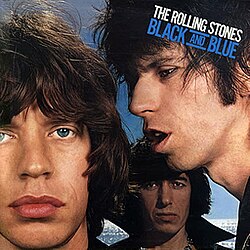
The Rolling Stones – Black and Blue (1976 Vinyl)
Released April 23, 1976, on Rolling Stones Records, Black and Blue is the band’s fifteenth studio album and their first following guitarist Mick Taylor’s departure — effectively functioning as an extended, semi-public audition for his replacement, with Harvey Mandel, Wayne Perkins, and eventual full-time member Ron Wood all contributing guitar work across different tracks. Recorded at Musicland Studios in Munich and via mobile units in Rotterdam and Montreux, and produced by Jagger and Richards under their “Glimmer Twins” alias, the album embraced funk, reggae, and jazz influences more overtly than any prior Stones record, and topped the US charts on the strength of “Fool to Cry” and “Hot Stuff.” Critical reception at the time was notably mixed — Lester Bangs in Creem infamously declared the band no longer mattered — though the album has found more sympathetic reappraisal from some fans since, even as its Discogs rating (around 3.97-4.07/5) reflects its continued status as one of the more divisive entries in the band’s mid-70s run.
The Pressing This is a genuinely rewarding album to research, with meaningful regional variance worth understanding before buying. UK first pressings (yellow labels, matte gatefold sleeve, mastered with Sterling stamped in the runouts) draw the most enthusiastic praise of any variant — one collector specifically called their UK A1/B1 pressing “the sonic reference standard” for the album, describing a genuinely three-dimensional soundstage with guitars, keys, and percussion each occupying clearly defined space, a punchy and lively mix, and a low noise floor with no background hiss on well-kept copies — a striking claim given this reviewer owns roughly 2,000 records. Another separate reviewer of a Dutch pressing found it tremendous-sounding and notably less compressed than the US version, with real depth and definition, though wishing for a touch more low-end weight.
US pressings tell a more varied story depending on plant. Mastering across US pressings was generally handled by the respected Lee Hulko at Sterling Sound in New York, with actual pressing distributed across several plants — PRC (both Richmond and other facilities) and Specialty Records Corporation among them. A Specialty Records pressing has drawn specific praise from at least one reviewer as a genuinely wonderful-sounding record, one of the best in their collection, with both sides carrying the “Sterling LH” mastering credit in the runouts. PRC pressings circulated widely too, including promotional copies with distinct front and back stickers. Given the number of regional and plant variants in play, and the generally strong reputation of UK yellow-label first pressings specifically, it’s worth prioritizing that UK edition if ultimate fidelity is your goal, while being aware that well-sourced US pressings (particularly Specialty or PRC copies bearing the Sterling mastering credit) are also capable of excellent sound.
Side One
- Hot Stuff — A groove-driven, funk-inflected opener signaling the band’s stylistic departure, built on a hypnotic, danceable rhythm quite unlike anything in their earlier catalogue.
- Hand of Fate — A tighter, more conventional rock track, featuring Wayne Perkins on lead guitar and showcasing a harder-edged sound within the album’s broader stylistic experimentation.
- Cherry Oh Baby — A reggae cover (originally by Eric Donaldson), reflecting the era’s growing fascination with Jamaican music among rock artists.
- Memory Motel — A sprawling, atmospheric ballad and one of the album’s most enduringly respected tracks, built around dual piano and vocal interplay between Jagger and Richards.
Side Two
- Hey Negrita — A loose, groove-heavy Ron Wood co-write, funky and rhythmically confident, showing his budding chemistry with the band ahead of officially joining.
- Melody — An unusually jazzy, horn-driven piece featuring Billy Preston prominently on keys, one of the album’s most stylistically adventurous tracks.
- Fool to Cry — The album’s biggest hit and most enduringly beloved track, a genuinely soulful, falsetto-led ballad that remains a highlight of the band’s mid-70s output regardless of the record’s mixed critical reception overall.
- Crazy Mama — A driving, riff-based closer that brings the album back to more familiar Stones rock territory, ending the record on a satisfyingly direct note.
Final Verdict
Black and Blue remains one of the more divisive entries in the Rolling Stones’ catalogue — a transitional, exploratory record that traded some of the band’s signature riff-driven attack for genuine stylistic curiosity across funk, reggae, and jazz, earning it both harsh contemporary criticism and a slower-building cult appreciation since. As a pressing, though, this is a genuinely well-regarded album on vinyl: UK yellow-label first pressings are held in particularly high esteem by serious collectors for their spacious, punchy, and low-noise sound, while well-sourced US pressings (Specialty or PRC, bearing the Sterling mastering credit) also deliver strong results. Whether or not you’re won over by the album’s stylistic detour, a good original pressing does real justice to the record’s genuinely interesting and varied production.