 Vinyl Review
The Sisters Of Mercy : Floodland
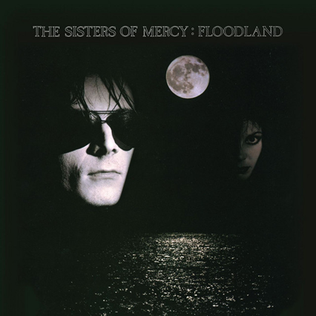
The Sisters of Mercy – Floodland (1987 Vinyl)
Released November 16, 1987, on Merciful Release/WEA (Elektra in the US), Floodland is the second studio album by English gothic rock pioneers The Sisters of Mercy, and their commercial breakthrough. Recorded across Power Station in New York, Strawberry in Stockport, and The Wool Hall in Bath, the album found frontman Andrew Eldritch rebuilding the band almost from scratch after a mass lineup exodus — recruiting bassist Patricia Morrison, leaning heavily on a drum machine, and collaborating with Meat Loaf’s producer and writer Jim Steinman to achieve a lush, bombastic, choir-laden sound that stood in stark contrast to the noisier, rawer production of the band’s debut, First and Last and Always.
The Pressing Original 1987 UK pressings are held in extremely high regard, with reviewers describing them in genuinely rapturous terms — one longtime owner called the pressing “incredible,” while another described their secondhand original as sounding deadly silent, crystal clear, and dynamic, singling out the driving opening beats of “Dominion” transitioning into “Mother Russia,” the heavy rhythms of “Flood I,” the bass riff on “Lucretia My Reflection,” and the gothic theatricality of “This Corrosion” as genuine highlights that come through beautifully on a good pressing.
US pressings, meanwhile, tell an interesting parallel story. A Specialty Records Corporation pressing (identifiable by “SRC” stamped in the runouts and an “EAST” embossing around the spindle hole) has been specifically praised by one collector as “a damn fine press,” worth taking the plunge on if you’re considering a US copy — mastered by Dennis King at Atlantic Studios, some copies carried a sticker proclaiming “Pressed On High Quality Audiophile Vinyl,” suggesting the label itself recognized this as a release worth extra sonic care. It’s also worth knowing this album has a genuinely excellent modern alternative for anyone chasing ultimate fidelity: a Mobile Fidelity Silver Label Series numbered edition, mastered on MoFi’s own system in California and pressed at their in-house Fidelity Record Pressing plant, has been specifically praised for delivering improved dynamic contrast, low-end thrust, and dimensionality — with “This Corrosion” and its towering New York Choral Society performance singled out as sounding genuinely staggering on that pressing.
Side One
- Dominion/Mother Russia — A driving, two-part opener that immediately announces the album’s grander, more theatrical ambitions — majestic and vast, setting the tone for the record’s blend of gothic atmosphere and genuine pop songcraft.
- Flood I — Heavy and rhythmically insistent, showcasing the drum machine-driven foundation that defines much of the album’s sound.
- Lucretia My Reflection — Widely regarded as one of the album’s defining tracks, built on a hypnotic, driving bassline and dramatic waves of sound — a genuine highlight repeatedly singled out by fans and reviewers alike.
- 1959 — A balladic, sweeping piece showcasing Steinman’s influence on the album’s more sumptuous, orchestral moments.
Side Two
- This Corrosion — The album’s towering centerpiece, featuring the New York Choral Society in a genuinely bombastic, operatic arrangement — Eldritch himself described it as a narrative about “power in the face of misery,” and it remains one of the most iconic tracks in the gothic rock canon.
- Neverland (A Fragment) — Dark and brooding, offering a quieter, more introspective counterpoint to the album’s grander theatrical moments.
- Flood II — A continuation of the earlier “Flood” theme, deepening the album’s atmospheric, rhythmic foundation.
- Driven Like the Snow — Atmospheric and moody, contributing to the album’s overall sense of gothic grandeur.
Final Verdict
Floodland remains a genuine landmark of gothic rock, and by most accounts the band’s finest hour — a perfect balance of bombastic, choir-driven theatrics and darker, more introspective songwriting that Eldritch arguably never matched again. Original 1987 UK pressings are consistently described in glowing terms by longtime collectors — silent, dynamic, and richly detailed — while well-sourced US pressings (particularly the Specialty Records Corporation edition) also earn strong praise. For anyone wanting the definitive modern listening experience, the Mobile Fidelity Silver Label pressing stands out as a genuinely exceptional alternative, bringing new clarity and weight to Jim Steinman’s already grandiose production. However you come to this album on vinyl, it’s a genuinely essential and rewarding listen for any fan of gothic rock’s late-80s creative peak.