 Vinyl Review
U2 : The Joshua Tree : 1987
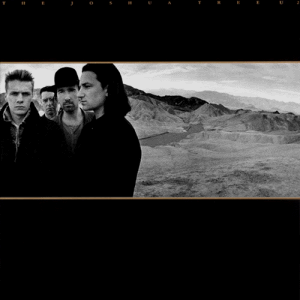
U2 – The Joshua Tree (1987 Vinyl)
Released March 9, 1987, on Island Records, The Joshua Tree is widely regarded as U2’s masterpiece and one of the defining albums of the 1980s — recorded and mixed at Windmill Lane Studios in Dublin with producers Brian Eno and Daniel Lanois, and dedicated to the memory of Greg Carroll (1960-1986), the band’s friend and roadie. Building on the atmospheric groundwork laid by The Unforgettable Fire, the album scaled the band’s sound back into a more personal, gritty, Americana-influenced register while retaining their signature anthemic scope — it shot straight to #1 on both the US and UK charts and remains, by most critical consensus, the high-water mark of the band’s career.
The Pressing This is a genuinely rich album to research, with real regional and plant-specific variance, though the overwhelming consensus across virtually every pressing is enthusiastic praise. A detailed audiophile review specifically singled the album out as an outstanding pressing with excellent sound throughout and an exceptionally quiet surface, praising correct tonality from top to bottom, strong bass, tight and note-like low end, natural midrange timbre, and genuine three-dimensional depth — concluding that only the best vintage vinyl pressings from this era capture the kind of analog warmth present on the master tapes, something CDs of the same period simply couldn’t replicate.
Regional and plant-specific pressings tell an interesting story. US pressings manufactured via Allied Record Company (with Specialty Records Corporation plating, Direct Metal Mastered at Masterdisk) draw enthusiastic praise, with one reviewer calling their copy “amazing,” noting their CD from the same era paled by comparison, and praising crisp, full sound with excellent dynamic range. A separate Specialty Records/Electrosound LA DMM pressing drew similarly strong reviews, with one listener specifically noting “Bullet the Blue Sky” sounded more brutally powerful than they’d ever heard it, crediting the “extra sharp punch” characteristic of DMM mastering. Canadian pressings (TLC mastering, Cinram manufacturing) have also been singled out as excellent, with one reviewer calling it “terrific,” citing good clarity, deep bass, and holographic three-dimensional sound, and specifically recommending it as the Canadian pressing to seek out. UK early pressings have drawn perhaps the single strongest endorsement of all: one longtime collector who has owned US, two separate Canadian, and the 2019 German 30th Anniversary reissue specifically declared their early UK pressing superior to all of them — though that same reviewer later updated their assessment after acquiring a US DMM Masterdisk Allied-pressed promo copy, admitting it actually edged out even their prized UK pressing. Japanese pressings are considerably rarer (the vinyl edition reportedly sold far more poorly than the CD in that market at the time), making a clean original Japanese copy a genuine collector’s find. Given this level of documented pressing-to-pressing praise across nearly every region, this is a rare case where you can buy with real confidence regardless of which well-preserved original variant you track down.
Side One
- Where the Streets Have No Name — A towering, slow-building opener that erupts into one of the most anthemic and instantly recognizable songs in the band’s catalogue — The Edge’s chiming, delay-drenched guitar work builds patiently before the full band arrives with genuine emotional force. On a good pressing, the sense of scale and space in the introduction is a genuine showcase for dynamic range.
- I Still Haven’t Found What I’m Looking For — A gospel-inflected, yearning anthem that became one of the album’s most enduring hits, built on a warm, driving rhythm and Bono’s most emotionally direct vocal delivery on the record.
- With or Without You — Perhaps the album’s most iconic single, a slow-burning, minimalist arrangement built around a hypnotic bassline and understated guitar textures that gradually intensify — one of the band’s most covered and beloved songs, and a genuine emotional centerpiece of side one.
- Bullet the Blue Sky — Aggressive and politically charged, addressing US intervention in Central America with a Led Zeppelin-esque, distorted guitar assault courtesy of The Edge — specifically singled out by multiple reviewers as sounding especially visceral and powerful on well-mastered DMM pressings, with the low end given real weight and aggression.
- Running to Stand Still — A haunting, blues-influenced ballad addressing heroin addiction in Dublin, built on slide guitar and a stark, atmospheric arrangement that offers a quieter, more intimate counterpoint to the album’s bigger anthems.
Side Two
- Red Hill Mining Town — A wickedly haunting, brass-inflected track addressing the British miners’ strikes, atmospheric and melodically rich — one of the album’s more underrated deep cuts, praised by fans as a genuine highlight of the record’s second half.
- In God’s Country — Driving and melodically direct, evoking the American desert landscapes that inspired the album’s title and iconography — energetic and hook-driven, a good showcase for the record’s more uptempo moments.
- Trip Through Your Wires — A bluesy, harmonica-inflected track with a looser, more organic feel, showing the band’s growing embrace of American roots music influences.
- One Tree Hill — A tender, elegiac tribute to Greg Carroll, the band’s friend and roadie who died in a motorcycle accident during the album’s recording — genuinely moving, and one of the record’s most emotionally resonant tracks.
- Exit — Dark, tense, and unsettling, addressing themes of violence and psychological unraveling with a menacing, atmospheric arrangement — specifically praised alongside “Bullet the Blue Sky” by reviewers for its surreal, booming bass and wide dynamic range on vinyl.
- Mothers of the Disappeared — A hauntingly beautiful, atmospheric closer addressing the “disappeared” victims of political violence in Argentina and Chile, ending the album on a quietly devastating, reflective note that brings its themes of loss and injustice full circle.
Final Verdict
The Joshua Tree remains one of the most celebrated and musically accomplished albums of the 1980s, and it’s genuinely rare to find a record whose reputation for greatness extends so consistently across nearly every regional vintage pressing — UK, US Allied, US Specialty/Electrosound, and Canadian TLC/Cinram copies have all drawn independent, enthusiastic praise from serious collectors for warmth, dynamics, and three-dimensional presence. Whether you track down a well-preserved UK original, a punchy US DMM pressing, or a well-regarded Canadian cut, this is an album that rewards ownership on vinyl as much as any record of its era — a genuine case where the source material, the production, and the vintage mastering all align to produce something close to a definitive listening experience.