 Vinyl Review
Top 5 Records to Buy for Halloween
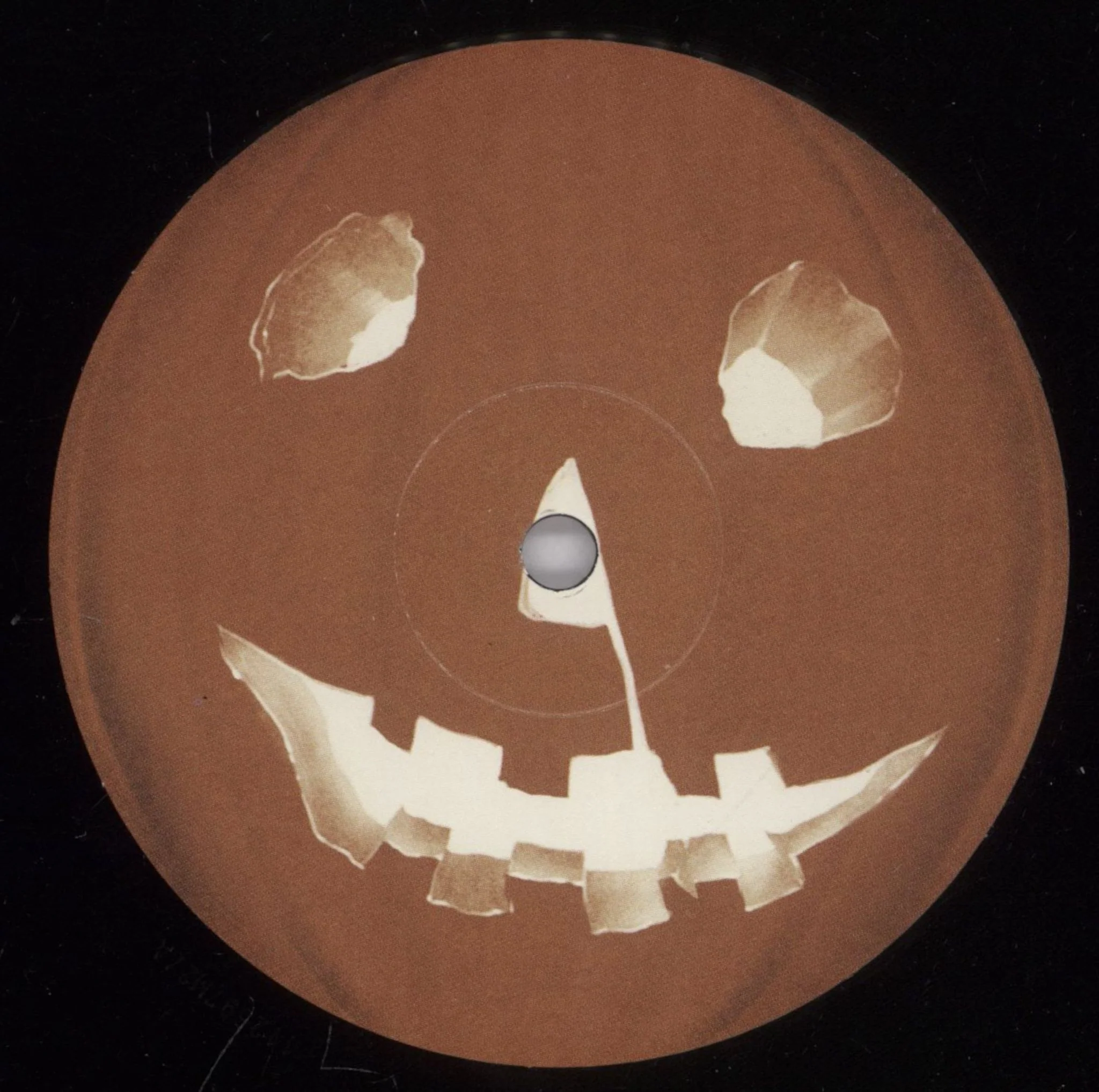
Halloween is on 31 October, so there’s still time to order. I’ve chosen five records that cover different needs: two horror soundtracks, the album that started heavy metal, the biggest Halloween party record of all, and the record that started goth.
1. John Carpenter — Halloween Original Soundtrack (1978)
For: the obvious choice, and the perfect atmosphere for a dark room on 31 October
Introduction
John Carpenter made Halloween on a budget of about $300,000, and he couldn’t afford a composer, so he wrote the score himself. He reportedly finished it in about three days. When he showed an early cut without music to a studio executive, the reaction was lukewarm. With the score added, the film became terrifying. The main theme, a simple piano figure in 5/4 time, is now one of the most recognizable pieces of horror music ever written.
Key cues
- “Halloween Theme – Main Title”: the famous piano motif over a pulsing synth. Carpenter said his father, a music teacher, taught him 5/4 rhythms on bongos as a child, and the uneven meter is what makes it unsettling.
- “Laurie’s Theme”: a melancholy, gentle motif for Jamie Lee Curtis’s character.
- “The Shape Stalks”: low, droning synth and the dreaded “stinger” chords used for Michael Myers’s appearances.
- “Michael Kills Judith”: the music for the opening sequence, shown in a single point-of-view shot.
Enthusiast details
- Performance: Carpenter played it himself on piano and synthesizers. Dan Wyman helped with synth programming and performance.
- Track listings vary between editions, because the original release sequence differs from later expanded versions. Several reissues add cues and alternative versions. Check the track list of the edition you’re buying.
- Influence: this sound is the basis of modern synth horror scoring, from Stranger Things to the synthwave genre. Carpenter returned to it with Cody Carpenter and Daniel Davies for the 2018–2022 Halloween trilogy.
Verdict
It’s essential Halloween listening: minimal, menacing, and instantly recognizable. Rating: 5 / 5.
2. Goblin — Suspiria (1977)
For: prog fans (an ideal follow-up to Tubular Bells and Meddle), and anyone who wants something more unsettling than the usual party playlist
Introduction
Goblin were an Italian progressive rock band, and with director Dario Argento they produced some of the most extraordinary horror soundtracks ever made. Suspiria, the story of a dance academy run by a coven of witches, is their masterpiece. Argento reportedly played the music on set at deafening volume during filming to unnerve the actors.
Track Listing
Side One
- Suspiria. A celesta lullaby, whispered voices hissing “witch!“, and a pounding drum and bouzouki section. It’s one of the most terrifying film themes ever written.
- Witch. A chaotic, percussive nightmare of moans and shrieks.
- Opening to the Sighs. A short, eerie, atmospheric piece.
- Sighs. Heavy breathing and wordless vocals over a slow, creeping rhythm.
Side Two
5. Markos. A heavy, pounding piece named after the witch Helena Markos.
6. Black Forest. A slinky, jazzy prog-rock piece with sax, and a moment of relief in the middle of the darkness.
7. Blind Concert. A driving prog instrumental with keyboards and drums.
8. Death Valzer. A deceptively sweet, creepy waltz to close.
Enthusiast details
- Instruments: the band used tabla, bouzouki, celesta, Moog synthesizer and a battery of percussion. Unusual timbres drive the score as much as the melodies do.
- Lineup: Claudio Simonetti (keyboards), Massimo Morante (guitars, bouzouki), Fabio Pignatelli (bass, tabla) and Agostino Marangolo (drums). The album is credited to “Goblin with Dario Argento,” since Argento contributed ideas.
- Original label: Cinevox in Italy. There are many reissues, including deluxe coloured vinyl from specialist soundtrack labels.
- Pair it with: Goblin’s Profondo Rosso (Deep Red, 1975), which was their breakthrough and is equally essential.
Verdict
It’s the most frightening record on this list. Don’t play it alone in the dark. Rating: 5 / 5.
3. Black Sabbath — Black Sabbath (1970)
For: rock fans, and an essential piece of rock history
Introduction
It opens with rain and thunder and a distant tolling bell. Then comes the heaviest guitar riff anyone had heard. It was released in the UK on Friday 13 February 1970, and the date was entirely deliberate. Black Sabbath is widely considered the first heavy metal album. Four working-class lads from Aston, Birmingham, took the doom-laden horror themes of their favourite films, slowed the blues to a crawl, and turned the volume up.
Track Listing (UK Vertigo edition)
Side One
- Black Sabbath. The title track is built on the tritone, the interval medieval musicians called diabolus in musica, “the devil in music.” Ozzy’s terrified lyric was inspired by Geezer Butler’s account of waking to see a dark figure at the end of his bed. It’s the moment heavy metal began.
- The Wizard. Ozzy’s harmonica over a boogie groove. The song is widely thought to have been inspired by Gandalf.
- Behind the Wall of Sleep. A title borrowed from H. P. Lovecraft, with a jazzy groove from Bill Ward’s drums.
- N.I.B. It opens with Geezer Butler’s famous bass solo, then moves into a love song sung from the Devil’s point of view.
Side Two
5. Evil Woman. A cover of a song by the American band Crow and the band’s first single. The record company pushed for it. On the US edition it was replaced by the original song “Wicked World.”
6. Sleeping Village. A quiet, eerie introduction that builds into a heavy jam.
7. The Warning. A sprawling ten-minute cover of an Aynsley Dunbar Retaliation song, with long improvised guitar from Tony Iommi. Aynsley Dunbar is the drummer from the Whitesnake review.
Enthusiast details
- Recording: the album was famously recorded in a single day at Regent Sound in London, essentially playing the live set. Some overdubs and mixing followed the next day.
- Producer: Rodger Bain. The engineer was Tom Allom, who later produced Judas Priest’s classic albums.
- Iommi’s sound: Tony Iommi lost the tips of two fingers in a factory accident as a teenager. He made thimbles from melted plastic bottles and used lighter strings tuned down, which helped create the band’s heavy, slack-stringed sound.
- The cover: the eerie cover shows Mapledurham Watermill in Oxfordshire, with a mysterious figure in black in the foreground. The photographer was Keith “Keef” Macmillan. Inside the gatefold, an inverted cross and poem were added without the band’s knowledge, which fuelled years of “Satanic” rumours. The band always denied any occult intent.
- Collecting: original UK copies are on the Vertigo “swirl” label and are highly sought after. Look for first-press details on the label and sleeve.
Verdict
It’s foundational, atmospheric and perfect for Halloween. Rating: 5 / 5.
4. Michael Jackson — Thriller (1982)
For: the Halloween party. Every party needs it.
Introduction
It’s the best-selling album of all time, and its title track is the closest thing Halloween has to a national anthem. It was produced by Quincy Jones, and its 14-minute video, directed by John Landis, featured zombies, a werewolf and dance choreography that half the planet has tried to copy.
Track Listing
Side One
- Wanna Be Startin’ Somethin’. An explosive opener, ending with the “mama-se, mama-sa, ma-ma-coo-sa” chant borrowed from Manu Dibango’s “Soul Makossa.”
- Baby Be Mine. A smooth, upbeat dance-pop track by Rod Temperton.
- The Girl Is Mine. A light duet with Paul McCartney.
- Thriller. Rod Temperton wrote it, originally under the title “Starlight.” Horror film legend Vincent Price narrates the closing “rap,” which Temperton wrote in a taxi on the way to the studio. Creaking doors, howling wolves and footsteps complete the effect. It’s the essential Halloween song.
Side Two
5. Beat It. Eddie Van Halen plays the famous guitar solo, reportedly free of charge.
6. Billie Jean. One of the greatest pop singles ever. Louis Johnson plays the famous bassline, and engineer Bruce Swedien took great care over the drum sound.
7. Human Nature. A beautiful, dreamy ballad co-written by Toto’s Steve Porcaro.
8. P.Y.T. (Pretty Young Thing). A bright, funky dance track co-written by James Ingram and Quincy Jones.
9. The Lady in My Life. A soft, soulful closer.
Enthusiast details
- Studio: recorded at Westlake Recording Studios in Los Angeles in 1982.
- Engineering: Bruce Swedien, Quincy Jones’s long-time engineer, recorded and mixed the album. His “Acusonic Recording Process,” careful drum miking and use of multiple microphones are famous among engineers.
- Speed: the album was recorded and mixed in a hurry. Quincy Jones has said the first mix was so bad that they spent another week remixing almost everything.
- Records: seven of its nine songs were Top 10 hits in the US. It won eight Grammys in 1984 and has sold an estimated 70 million copies.
- Pressings: the original Epic pressings are plentiful and cheap. Anniversary editions add demos and outtakes.
Verdict
It’s the most crowd-pleasing record on this list. Put on “Thriller” and watch the room. Rating: 5 / 5.
5. Bauhaus — Bela Lugosi’s Dead (12″ single, 1979)
For: goth and post-punk fans, and the perfect late-night Halloween closer
Introduction
Bauhaus formed in Northampton and recorded this nine-and-a-half-minute debut single a few weeks into their existence. It’s a tribute to the actor who played Dracula, and many consider it the founding record of goth rock. Its spacious, echoing atmosphere sounds like a horror film in its own right.
Track Listing
A. Bela Lugosi’s Dead. A slow, clattering tom-tom pattern, scratchy dub-inspired guitar, a heavily echoed bassline and Peter Murphy’s dramatic baritone (“Undead! Undead! Undead!“). It builds slowly over nearly ten minutes and never fully releases the tension.
B. “Boys,” plus a demo of “Dark Entries” on some pressings. Contents vary between pressings, so check the one you’re buying.
Enthusiast details
- Recording: recorded at Beck Studios in Wellingborough, reportedly in a single day, largely live and in one take.
- The dub influence: the echo and space come from reggae and dub production techniques, which were rarely applied to rock in 1979.
- Label: first released on the small independent label Small Wonder Records, and later reissued by Beggars Banquet. The original 12″ sleeve features a still from the 1926 film The Sorrows of Satan.
- On screen: the band perform the song in the opening sequence of the vampire film The Hunger (1983), starring David Bowie and Catherine Deneuve.
Verdict
It’s the coolest record on this list, and an ideal way to close a Halloween night. Rating: 5 / 5.
Honourable mentions
- Bobby “Boris” Pickett & the Crypt-Kickers — “Monster Mash” (1962): the classic novelty single for children’s parties.
- Wendy Carlos & Rachel Elkind — The Shining score and the related Kubrick soundtrack releases: deeply unsettling synth work.
- Screamin’ Jay Hawkins — “I Put a Spell on You” (1956): the original shock-rock record.
- Siouxsie and the Banshees — Juju (1981): dark, dramatic post-punk, with “Spellbound” and “Night Shift.”
- Mike Oldfield — Tubular Bells: for The Exorcist connection. The new Blue Seashore edition is covered in an earlier review.
Buying tips
- Soundtrack labels: horror soundtracks are often reissued on deluxe coloured vinyl by specialist labels, with glow-in-the-dark or “splatter” effects. They make great collectables but sell out quickly in October.
- Order soon: Halloween is under two weeks away, so allow for delivery times.
- Check track lists: soundtracks and singles in particular vary between editions.