 Vinyl Review
The Moody Blues — Octave (1978)
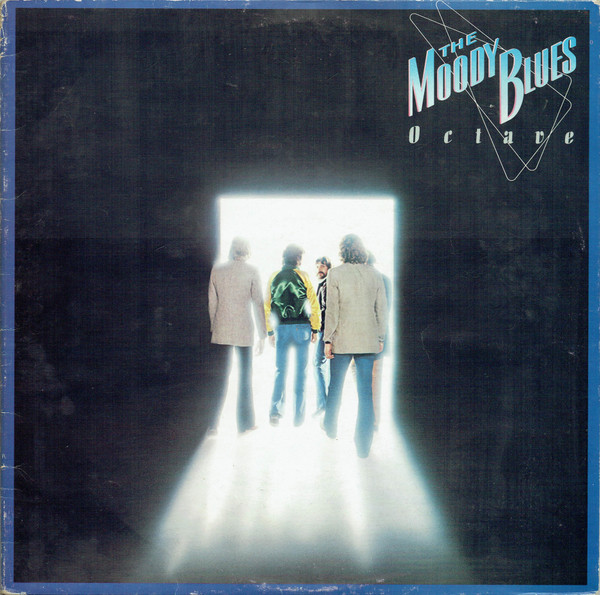
My copy: Decca TXS 129 · LP · Gatefold · UK · 9 June 1978
Producer: Tony Clarke · Bought: on a crate-digging session at The Den in Poole
A Random Find at The Den
I'm a big fan of prog rock, but I'd never heard of this album. I bought it anyway, because one of my favourite things about crate digging is picking up "randoms," records I know nothing about, just for the joy of discovery. Some turn out to be duds, but over the years I've found plenty of great albums this way, and they're often the ones I end up treasuring most.
So when I spotted a UK gatefold copy of Octave in the crates at The Den in Poole, it went straight onto the pile.
Introduction
By the mid-1970s, the Moody Blues had been one of the biggest bands in the world. Albums like Days of Future Passed(1967), with "Nights in White Satin," and the run that followed helped invent symphonic and progressive rock, combining rock, orchestral sounds, the Mellotron and big, philosophical themes.
Then, in 1974, they stopped. Exhausted after years of recording and touring, the members took a break and made solo records. Justin Hayward and John Lodge also recorded together as the Blue Jays.
Octave was their comeback in 1978, after a four-year break. Its title reflects that it was the eighth album by the band's classic lineup. Its making was troubled: long-time producer Tony Clarke left partway through the sessions, and keyboard player Mike Pinder, whose Mellotron had been central to their sound, left the band before the tour that followed. It became his last album with them.
Despite all that, it was a success, reaching the UK Top 10 and the US Top 20. Its sound is softer and more polished than their classic albums, with less prog grandeur and more late-1970s soft rock.
Track Listing
Side One
1. Steppin' in a Slide Zone
A punchy, synth-driven opener by John Lodge with a driving rhythm. It was released as a single and became a minor US hit, and it signals the band's more modern sound.
2. Under Moonshine
A dark, atmospheric song, and one of the album's proggier moments, with a sense of drama.
3. Had to Fall in Love
A gentle acoustic love song by Justin Hayward, close in feel to his solo work.
4. I'll Be Level with You
A warm, heartfelt song by drummer Graeme Edge.
5. Driftwood
A lush, melancholy Justin Hayward ballad with a saxophone solo. It was a single, and it's one of the album's best songs.
Side Two
6. Top Rank Suite
An upbeat, catchy pop-rock song by John Lodge.
7. I'm Your Man
A soulful song by flautist and singer Ray Thomas.
8. Survival
A John Lodge song with a soaring chorus.
9. One Step into the Light
Mike Pinder's last song for the band. It's a reflective, spiritual song that recalls their classic sound.
10. The Day We Meet Again
A big, emotional Justin Hayward closer, and a strong ending.
Enthusiast Details
- The classic lineup: Justin Hayward (guitar, vocals), John Lodge (bass, vocals), Ray Thomas (flute, vocals), Graeme Edge (drums) and Mike Pinder (keyboards, Mellotron). This was the last album with all five.
- After Pinder: Patrick Moraz, formerly of Yes and Refugee, joined on keyboards for the tour and the next albums.
- Tony Clarke: he had produced every Moody Blues album since Days of Future Passed, and his departure during the sessions marked the end of an era. Their next album, Long Distance Voyager (1981), was produced by Pip Williams. It was a big hit, especially in the US, and introduced a sleeker 1980s sound.
- Recording: the album was recorded in the United States. The sessions were reportedly disrupted by problems, including damage to their studio, which added to the strain on the band.
- My copy: the original UK Decca pressing, catalogue TXS 129, in a gatefold sleeve. Decca's 1970s UK pressings are usually well made, and copies of Octave are inexpensive, which makes it a perfect "random" to try.
Final Thoughts
Octave isn't the Moody Blues at their peak. Fans of their classic albums may find it too soft and polished, and missing the grandeur and adventure of records like In Search of the Lost Chord or Seventh Sojourn. A couple of tracks, such as "Top Rank Suite," feel like generic late-1970s soft rock.
But it has real rewards. "Driftwood" and "The Day We Meet Again" are lovely Hayward songs, and "Steppin' in a Slide Zone" and "One Step into the Light" are strong. There's a bittersweet feel to the whole album, knowing it was the last time the classic five recorded together.
As a random pick from the crates, it's another nice discovery, and a reminder that taking a chance on unknown records is one of the best parts of collecting.
Highlights: "Driftwood," "The Day We Meet Again," "Steppin' in a Slide Zone," "One Step into the Light."
Weakest moment: "Top Rank Suite."
Rating: 3.5 / 5.